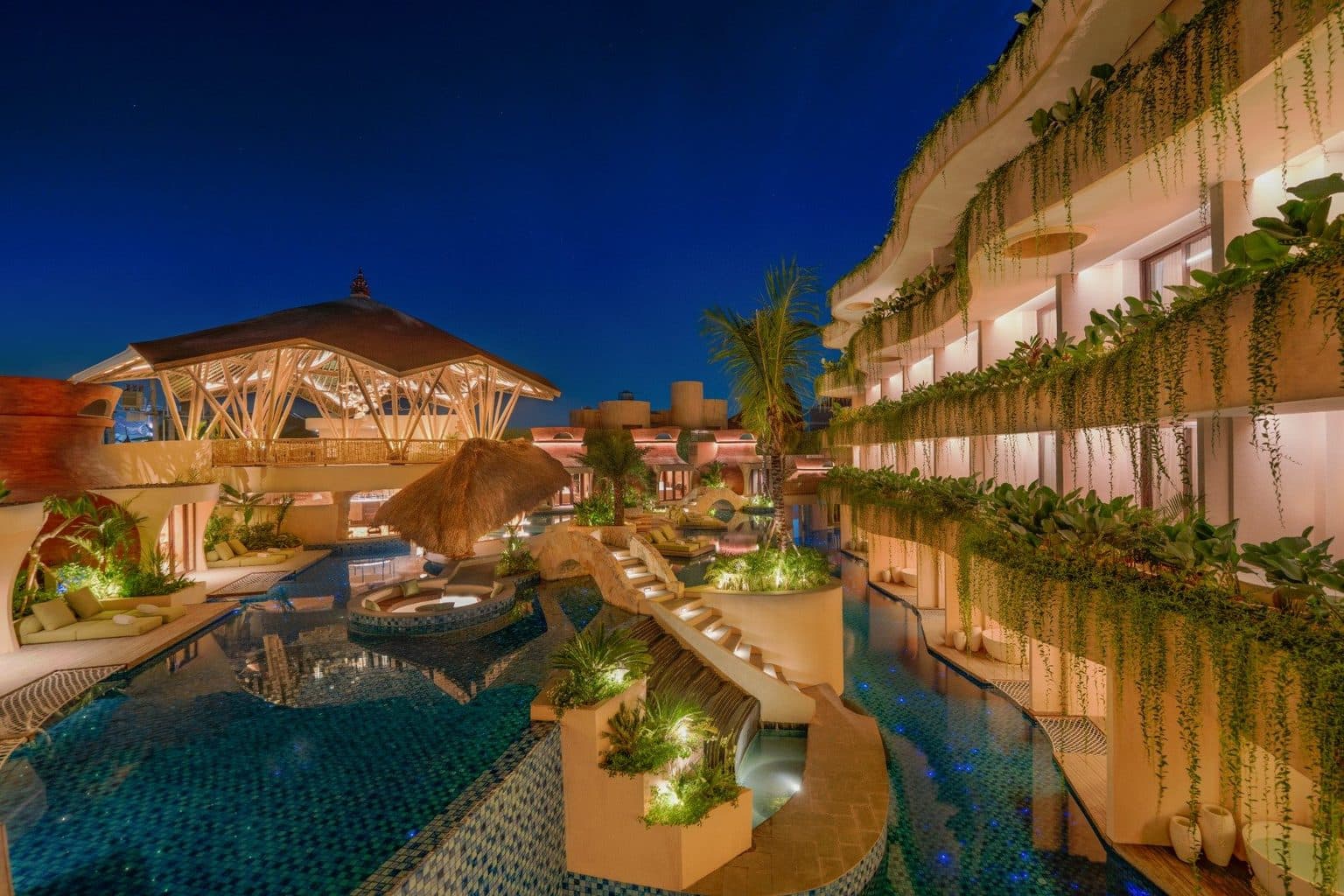
Bali has become a popular destination for digital nomads who want to work remotely while enjoying island life. Canggu, Ubud, and Sanur are among the most popular areas for a digital nomad in Bali, with estimated monthly living costs ranging from USD 1,500 to 2,500, depending on accommodation, daily expenses, and lifestyle (Honeycombers, June 2026).
Before planning your stay, it is important to understand Bali’s visa requirements for remote workers. Foreign professionals working remotely may need a specific visa, such as the E33G Remote Worker Visa for employees of overseas companies, as standard tourist visas do not permit employment-related activities.
This guide covers visa options, estimated living costs, the best areas to stay, and a practical checklist to help you prepare for your first week in Bali.
Which Visa Do Digital Nomads Need for Bali?

For foreign nationals planning to live in Bali while working remotely for an overseas company, the E33G Remote Worker Visa is a suitable option. This Bali remote work visa allows eligible applicants to stay for up to one year.
According to the Ngurah Rai Immigration Office, applicants must have an employment contract with an overseas company, earn at least USD 60,000 per year, and provide bank statements from the last three months showing a minimum balance of USD 2,000.
Unlike the E33G, the Bali visa on arrival (VoA) and tourist visit visas, such as the C1, are intended for visits and do not permit remote work. For those looking for a digital nomad visa in Bali, the E33G can be applied for through the official Indonesian Immigration eVisa website. However, visa holders are not allowed to work for or receive income from companies or individuals based in Indonesia.
Cost of Living for Digital Nomads in Bali

Most digital nomads in Bali spend between USD 900 and 2,500 a month, depending on where they live and how they work. The table below breaks down the typical costs for 2026.
| Expense | Typical Cost (IDR) | Approx. USD | Notes |
| Simple room or kos (monthly) | 3–6 million | $170–330 | Often includes cleaning; prices drop outside the busiest strips |
| 1-bedroom villa (monthly) | 15–30 million | $830–1,670 | Canggu sits at the higher end, Ubud and Sanur lower |
| Coliving with coworking (monthly) | 10.8–18 million+ | $600–1,000+ | Shared rooms start lower; private rooms cost more |
| Coworking day pass | 150,000–300,000 | $8–17 | Good for occasional work days |
| Coworking membership (monthly, unlimited) | 2–3.2 million | $111–178 | Worth it if you work there most days |
| Warung meal | 15,000–50,000 | $1–3 | Local dishes like nasi campur or mie goreng |
| Café meal | 60,000–150,000 | $3–8 | Typical laptop café prices in Canggu and Ubud |
| Groceries (monthly, solo) | 2–3.5 million | $110–195 | Mostly local ingredients; imported goods cost more |
| Scooter rental (monthly) | 1.2–2.2 million | $67–122 | Standard 110–125cc models |
| Grab or Gojek motorbike ride | 15,000–25,000 | $1–1.5 | Per short trip |
| SIM card with data (monthly) | 150,000–250,000 | $8–14 | Useful as backup internet |
| E33G Remote Worker KITAS (1 year) | 12–15 million | $670–830 | All-in estimate including agent fees; requires USD 60,000 annual income |
| Bali tourism levy | 150,000 | $8 | Paid once per trip |
| Total (lean, Ubud or Sanur) | 16.2–25.2 million | $900–1,400 | Rent, food, and scooter |
| Total (comfortable, Canggu) | 36 million+ | $2,000+ | Pool villa, coworking, daily cafés |
Exchange rate used: about IDR 18,000 per USD. Prices as of November 2026.
Best Areas in Bali for Digital Nomads
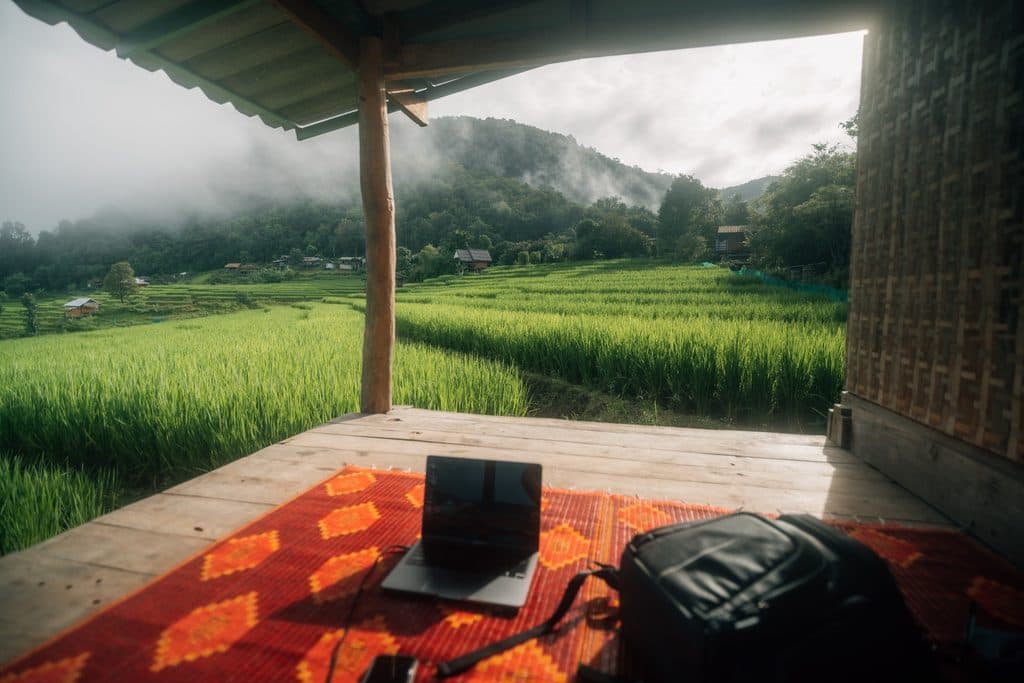
Choosing the right area to stay is an important part of the Bali digital nomad lifestyle, as each location offers different living costs, work facilities, and surroundings. Canggu, Ubud, Sanur, Pererenan, and Uluwatu are among the popular choices, depending on your work needs, budget, and lifestyle preferences.
1. Canggu: Best for Networking and Social Life
Canggu is one of Bali’s main digital nomad hubs, with plenty of coworking spaces, laptop-friendly cafés, and community events where remote workers can meet and connect. You can also explore various coffee shops in Canggu alongside restaurants and beach spots that make it easy to balance work and social activities.
For a Canggu Bali digital nomad, the area offers an active social scene and convenient access to work facilities. However, traffic congestion and relatively high accommodation prices are important factors to consider, especially when planning a longer stay.
2. Ubud: Best for Nature and Focused Work
Ubud offers a quieter work environment with views of rice fields, tropical forests, and easy access to wellness activities such as yoga and meditation. It is a good choice for digital nomads who prefer a peaceful atmosphere while staying productive.
There are several coworking spaces and accommodation options in and around central Ubud, making it possible to find a place that suits your working style. The area is also suitable for those interested in bleisure travel, combining remote work with relaxation and cultural experiences.
3. Sanur: Best for Long-Term Living
Sanur is a good option for digital nomads planning to stay in Bali for an extended period, thanks to its quieter coastal atmosphere and generally lower living costs compared to Canggu. The area also has a beachfront path for walking and cycling, making it convenient for maintaining a daily routine.
Although coworking spaces are less common than in Canggu, Sanur still offers several places suitable for remote work. It is worth comparing how expensive Bali is across different areas before choosing accommodation for a long-term stay.
4. Pererenan: Best for a Quieter Canggu Alternative
Pererenan offers a more relaxed atmosphere than central Canggu while remaining close to its cafés, restaurants, and coworking facilities. It is a good alternative for digital nomads who want convenient access to workspaces and social activities without staying in the busiest part of Canggu.
The area also provides easy access to nearby lifestyle facilities, including gyms in Canggu, making it easier to maintain a regular fitness routine. For remote workers who prefer a quieter place to stay while keeping social and work facilities nearby, Pererenan is worth considering.
5. Uluwatu: Best for Surfing and Coastal Living
Uluwatu is a popular choice for digital nomads who enjoy surfing, coastal views, and a relaxed lifestyle in southern Bali. Its beaches and limestone cliffs make it appealing for those who want to spend time outdoors after work.
However, finding a suitable coworking space in Bali can be more challenging in Uluwatu, as dedicated workspaces are relatively limited and spread across different locations. Before booking accommodation, it is important to check internet reliability and transportation options to ensure a comfortable remote working experience.
Internet, SIM Cards and Power Backups

A reliable internet connection is essential for digital nomads in Bali, especially for video calls, sharing documents, and daily online work. Areas such as Canggu, Seminyak, Sanur, and central Ubud generally have access to fiber-optic internet, but speed and stability may vary between properties. It is recommended to run an internet speed test before booking your accommodation.
For mobile internet, Telkomsel is a popular option, with 4G and 5G coverage available in several parts of Bali, including Denpasar and Badung. Among the Bali SIM and eSIM options, Telkomsel offers a Tourist Prepaid Card for IDR 150,000, which includes 25 GB of data and 25 minutes of local calls, according to its official website. The card can be ordered online or purchased at selected retail outlets.
Foreign digital nomads bringing mobile phones from overseas should also understand Indonesia’s IMEI registration rules. According to the Directorate General of Customs and Excise, foreign tourists can use Indonesian mobile networks for up to 90 days by registering their devices through a mobile operator without registering the IMEI with Customs. For longer stays, additional regulations may apply.
Aside from internet access, occasional power outages can happen, especially during bad weather. Keeping a power bank, mobile hotspot, or uninterruptible power supply (UPS) as a backup can help prevent work interruptions. For better reliability, consider coworking spaces with backup generators and multiple internet connections. Power outages can also be reported through the PLN Mobile app or by calling PLN 123.
Where to Stay as a Digital Nomad in Bali

Choosing the right accommodation as a digital nomad in Bali is not just about price and location, but also finding a comfortable place to work. There are several digital nomad accommodation Bali options to consider, including guesthouses, private villas, serviced apartments, and hotels with reliable Wi-Fi, suitable workspaces, and quiet surroundings for online meetings.
1. Guesthouses
Guesthouses are a good choice for digital nomads looking for simple and affordable accommodation, whether staying for a few weeks or several months. Many offer basic facilities such as Wi-Fi, shared kitchens, and housekeeping services to support daily needs.
2. Monthly Villa Rentals
Monthly villa rentals are suitable for digital nomads who prefer more privacy, extra space, and a quiet environment for remote work. Options range from one-bedroom private villas for individuals or couples to larger villas with multiple bedrooms for groups of friends.
3. Serviced Apartments
Serviced apartments provide a more independent living experience, usually with a private kitchen, living area, and regular housekeeping services. They are ideal for remote workers planning an extended stay who want the comfort of a home with convenient facilities.
4. Hotels and Resorts
Hotels and resorts are suitable for digital nomads who prefer comfortable accommodation with access to facilities such as restaurants, swimming pools, fitness centers, and housekeeping services. One option is La Mewali Resort Canggu by Ini Vie Hospitality, which offers Wi-Fi, in-room workspaces, and recreational facilities for relaxing after work.
What to Check Before Booking

Before booking your accommodation, check the Wi-Fi speed and stability, workspace availability, noise levels, and distance to nearby coworking spaces or cafés. For stays of one month or longer, it is also important to ask about monthly rates, electricity costs, housekeeping services, and payment terms to avoid unexpected expenses.
Your First-Week Checklist in Bali
- Check your visa: confirm your visa type matches the rules above before you start working.
- Get connected: buy a Telkomsel SIM or eSIM for backup internet and run a speed test at your accommodation.
- Register your phone: if you brought a phone from overseas, register it through a mobile operator within 90 days.
- Try a coworking space: book a day pass (IDR 150,000 to 300,000) before paying for a monthly membership.
- Sort out transport: compare a monthly scooter rental (IDR 1.2 to 2.2 million) with Grab or Gojek rides.
- Pay the tourism levy: IDR 150,000, paid once per trip.
Setting Up Your Bali Remote-Work Base
Planning your stay as a digital nomad in Bali starts with choosing the right visa, setting a realistic budget, finding an area that suits your lifestyle, and ensuring reliable internet access. With these essentials in place, you can enjoy a more comfortable and productive remote working experience.
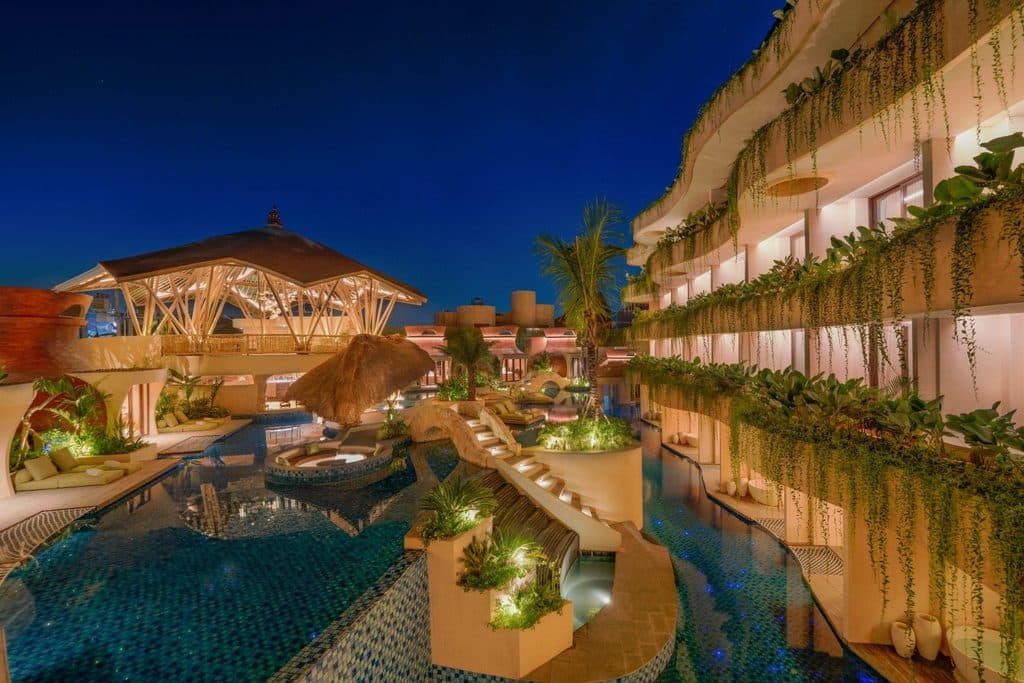
For a convenient start, consider spending your first week at La Mewali Resort Canggu before exploring long-term rentals and nearby coworking spaces. Visit the official booking website to check accommodation options and plan your stay.
FAQs
Yes. Since April 2024, Indonesia has offered the E33G Remote Worker KITAS, which allows employees of companies based outside Indonesia to live and work remotely in Bali for up to one year.
Applicants must provide an employment contract with an overseas company and proof of annual income of at least USD 60,000, with total visa costs estimated at IDR 12 to 15 million, including agent fees.
No. Tourist visas, visas on arrival, and visit visas such as the B211A do not permit remote work, so foreign nationals need an appropriate visa, such as the E33G. In 2026, immigration authorities increased inspections in Canggu, Ubud, Seminyak, Kerobokan, and Uluwatu, with 62 foreign nationals reportedly detained during the first three weeks of enforcement.
Freelancers and business owners who do not meet the E33G requirements should consult a qualified immigration adviser before planning a long-term stay.
The average monthly living cost for a digital nomad in Bali ranges from USD 900 to 2,500, depending on accommodation, location, and lifestyle. A basic lifestyle in Ubud or Sanur, including accommodation, food, and scooter rental, costs around IDR 16.2 to 25.2 million per month, while a more comfortable stay in Canggu with a private pool villa and coworking membership starts at approximately IDR 36 million.
The best area depends on your budget, work needs, and lifestyle preferences. Canggu offers a large digital nomad community and many coworking spaces, although accommodation prices and traffic can be higher.
Ubud is a quieter and generally more affordable option for those who enjoy nature and wellness activities, while Sanur offers a relaxed coastal atmosphere. Seminyak is another good choice for digital nomads who prefer easy access to restaurants, shopping, and entertainment.
Generally, yes. According to Ookla data from 2026, Bali’s median fixed broadband download speed is around 67 Mbps, which is generally sufficient for video calls and daily online tasks. Many coworking spaces also provide internet speeds of 100 to 300 Mbps, sometimes with backup connections.
However, internet speed and stability can vary between accommodations and cafés, so having a local SIM card for backup internet is recommended. Choosing a coworking space with a reliable connection can also help maintain productivity.