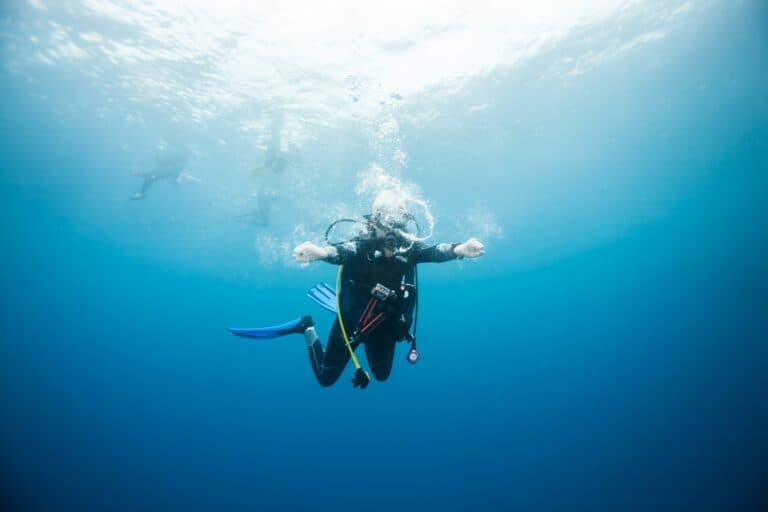
For beginners who want to learn to dive, the three- to four-day PADI Open Water Diver course is the standard option for earning a recognised diving certification. If you are short on time, you can also choose a shorter two-day course or a one-day introductory dive. While an introductory dive does not lead to certification, it allows you to experience the underwater world under the supervision of a qualified instructor.

Bali offers diving courses for every experience level, from beginner to advanced. When choosing a dive school, check the dive sites included in the course and the instructors’ qualifications. This can help you find a program that prioritises both safety and a comfortable learning experience.
Diving Course Levels in Bali, From Try-Dive to Divemaster
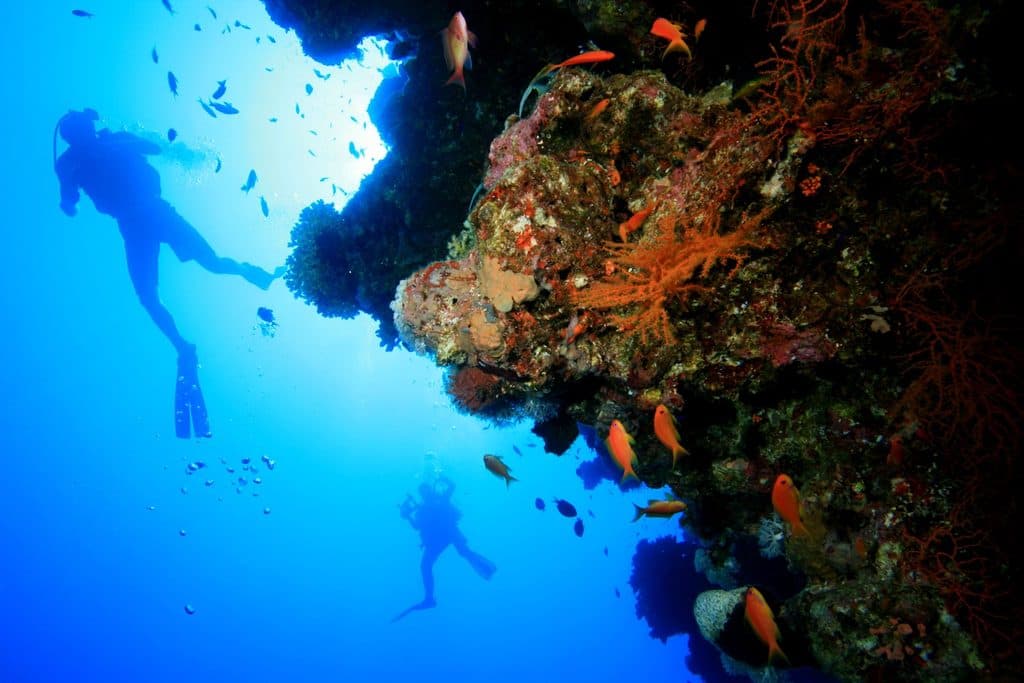
Bali offers a clear step-by-step path for scuba diving certification, starting with short introductory experiences for beginners and going all the way to becoming a professional diving instructor. Each level builds on the last, with more depth and skill involved as you move up.
| Level | Best For | Duration | Depth Limit |
| Try Scuba (Discover Scuba Diving) | First-timers with no certification | Half a day to 1 day | 12 meters |
| Open Water Diver | Beginners seeking their first official certification | 3 to 4 days | 18 meters |
| Advanced Open Water Diver | Certified OW divers ready to extend their range | 2 to 3 days | 30 meters |
| Rescue Diver | Divers ready to learn emergency response and safety skills | 3 to 7 days | 30 meters (follows prior certification) |
| Divemaster | Experienced divers pursuing a professional path | 3 to 8 weeks | 40 meters |
Course length varies by dive center and daily session count. The ranges above reflect standard PADI guidance, the certification body most widely used in Bali.
Best Places to Dive in Bali
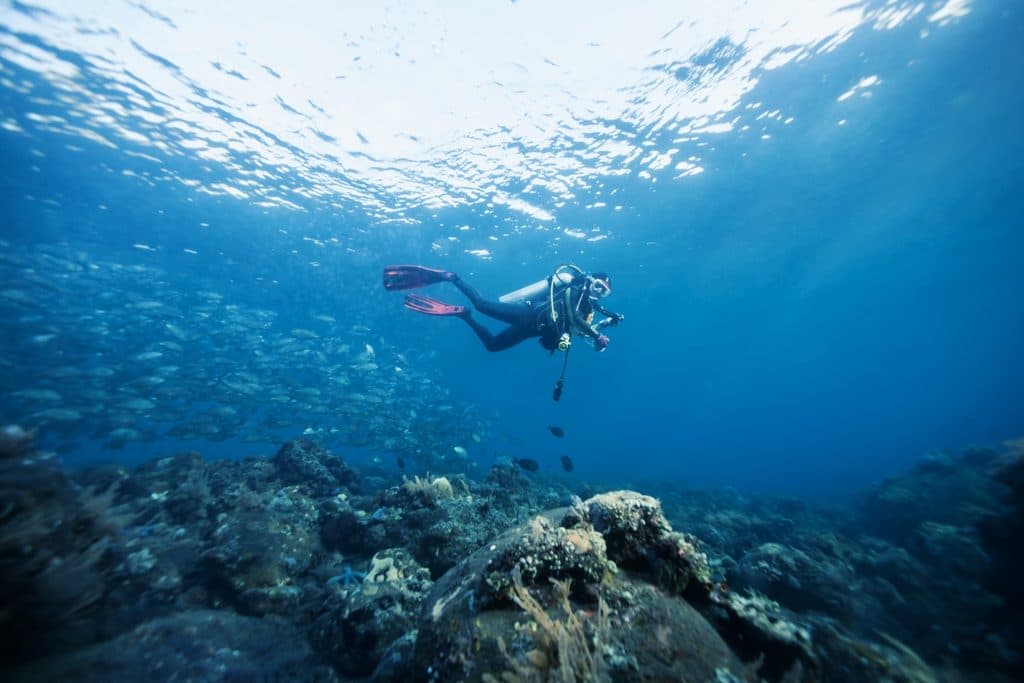
1. Nusa Penida
Nusa Penida diving is best known for mola-mola (oceanic sunfish) and manta ray sightings. Sunfish season usually runs from July to October, while manta rays at Manta Point can be spotted almost year-round.
One thing to keep in mind is that currents around Nusa Penida are strong and can shift quickly, so most dive sites here are recommended for divers with an Advanced Open Water certification. A few sheltered spots are still open to Open Water divers, but only with close supervision.
2. Tulamben
Tulamben diving centers around one big draw: the USAT Liberty shipwreck, visited by thousands of divers every year. It’s one of the most accessible wrecks in the world, close to shore and sloping gradually from around 5 to 30 meters.
Because entry is from the beach and currents are usually calm, it’s a solid choice right after finishing an open water diver course. More experienced divers, including divers working toward their Divemaster certification.
If you’re combining this with other stops in the area, it’s worth planning your East Bali day trip budget ahead of time, since transport and entrance fees can add up depending on how many sites you visit in one day.
3. Amed
Unlike the stronger currents in Nusa Penida, Amed diving is a lot more relaxed. Visibility tends to stay stable and the seabed slopes gently, making it a good fit for beginners, newly certified Open Water divers, or anyone trying a “Try Scuba” or “Discover Scuba Diving” program.
Beyond the reefs, Amed also has a few small wreck sites, including a Japanese shipwreck that feels more low-key than the one in Tulamben.
4. Menjangan
Menjangan sits inside West Bali National Park and is known for its steep coral walls with visibility usually clearer than other spots in Bali. Since it’s further from the main tourist areas, it’s better suited for divers who already hold at least an Open Water certification and have solid buoyancy control and depth experience.
How to Choose a Dive School in Bali
With the large number of dive operators in Bali, there are several objective indicators you can use to assess the quality of a dive school before deciding to join.
1. PADI 5-Star Certification
PADI 5-Star status shows that a dive center meets a full set of standards as a training facility. This covers everything from offering courses at every level, from beginner (Open Water) through professional (Divemaster or Instructor), to keeping equipment properly maintained. It also means employing only instructors who are verified and actively registered with PADI.
In short, this certification points to consistent teaching quality, not just basic operational legality, which matters if you’re planning to take a diving course in Bali.
2. Green Fins Certification
While PADI focuses on training standards, Green Fins looks at how an operator practices environmentally friendly diving. Started by UNEP (the United Nations Environment Programme), this certification checks things like waste management, use of chemicals such as sunscreen or cleaning products, buoyancy techniques taught to prevent coral damage, and how divers are guided to interact with marine life. Dive schools with this certification usually run stricter environmental briefings before every dive.
3. Small Group Sizes
Beyond the two certifications above, the ratio of divers to instructors or dive guides has a direct effect on the quality of the experience. Smaller groups, ideally no more than four divers per guide for recreational dives, allow for closer supervision and quicker responses if something goes wrong underwater.
Certification courses call for even stricter ratios, giving each diver more focused attention. This matters especially for beginners or anyone diving in current-prone spots like Nusa Penida for the first time, and it’s worth checking group size when comparing any diving course in Bali.
How Much Does a Diving Course in Bali Cost
Diving course fees in Bali generally follow a similar pattern across most PADI 5-Star Dive Centers. Price differences mainly come down to how long the program runs and whether you complete the theory through eLearning or on-site.
1. Beginner Level
If you’re not sure yet about going for full certification, a half-day introductory session (no certification included) is available for around IDR 605,000 to IDR 1,430,000.
2. Open Water Diver
Once you’re ready to get certified, the Open Water Diver course, which is the foundational course required before moving to any higher level, usually costs between IDR 6.9 million and IDR 8.5 million (about USD 385 to 475) for a 3 to 4 day program that includes four open water dives.
If you complete the theory and pool sessions in your home country first (known as a “Referral”), the cost can drop to around IDR 5.5 million, since only the open water dives are left to finish in Bali.
3. Advanced Open Water
Moving up to Advanced Open Water sits in a similar price range, around IDR 6.9 million to IDR 8.5 million (USD 385 to 475), for a 2-day program with five dives that go as deep as 30 meters. This level opens up deeper sites, like the USAT Liberty wreck in Tulamben or manta ray spots in Nusa Penida.
4. Rescue Diver
For divers wanting to go further, the Rescue Diver course runs from IDR 5 million to IDR 7.15 million (USD 280 to 400), depending on whether you already hold a CPR/First Aid certification. If not, you’ll likely need to take a separate Emergency First Response course, which adds around IDR 3 million to IDR 4 million.
5. Divemaster
Divemaster is the top level and the first professional tier in diving, so it comes with the biggest investment. Prices start at IDR 23 million for a 14-day program and can go up to IDR 33 million depending on the dive center, not including the personal equipment package, which is required at this level.
Where to Stay for Easy Access to Bali’s Dive Sites
Bali’s main dive sites are spread across different parts of the island: Nusa Penida to the southeast, Tulamben and Amed to the east, and Menjangan to the northwest. Because of this, picking a strategic place to stay can cut down a lot on travel time before and after dives.
Sanur is the easiest base for Bali diving since most dive boats to Nusa Penida and Lembongan leave from here. Its location on Bali’s east coast also puts it close to Padang Bai, the fast boat departure point for Nusa Penida, while still being within reasonable reach for day trips to Tulamben and Amed.
Because of this convenience, Sanur is a popular location for many PADI 5-Star Dive Centers, so divers can pick both their accommodation and dive operator in the same area without needing to move between towns.
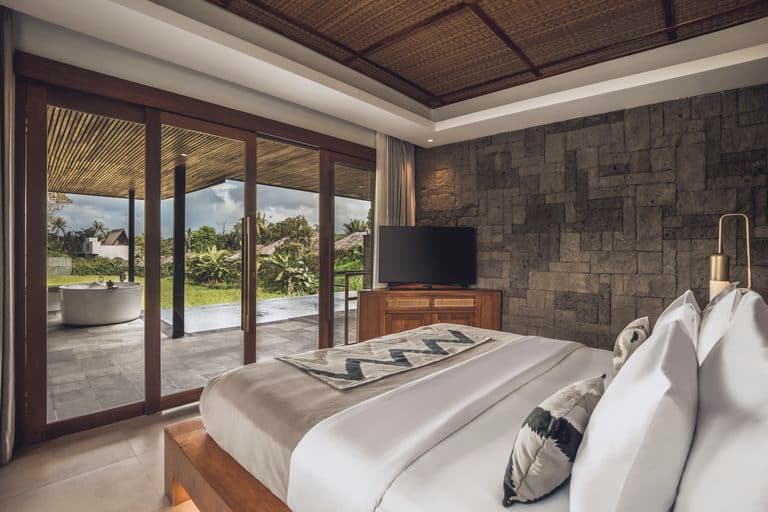
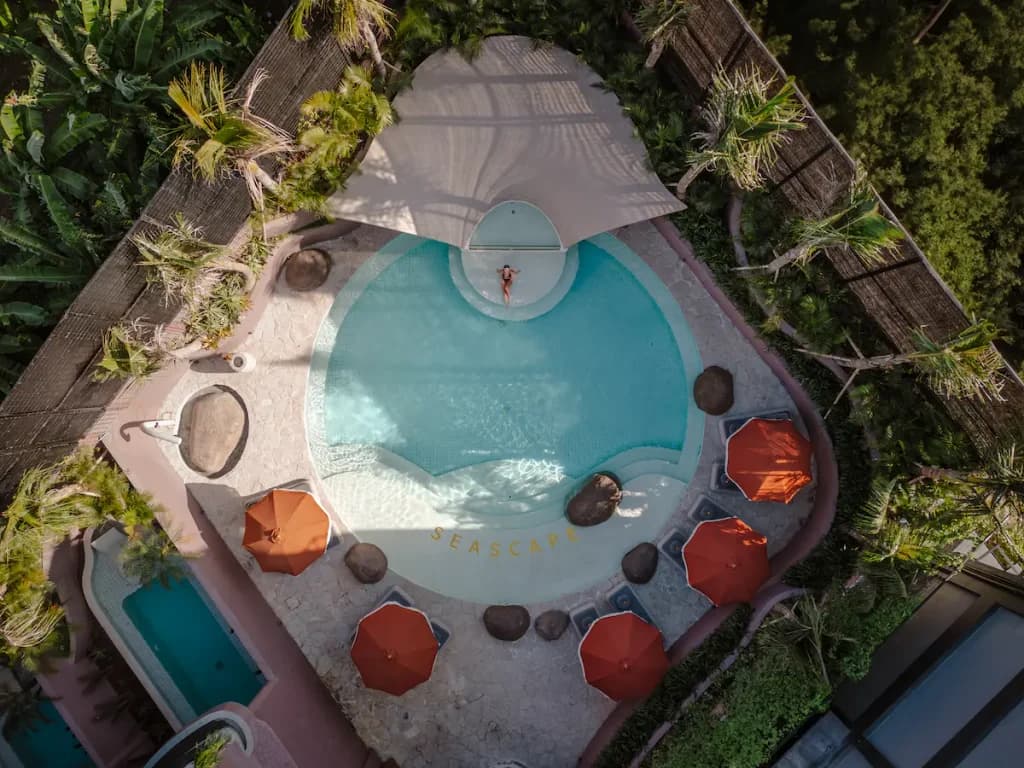
One accommodation option in Sanur is Seascape Resort & Spa Sanur, an adults-only boutique resort on Jalan Aruna, close to Sanur Harbour and just a 10-minute walk from Sanur Beach. Staying here puts guests close to the harbor without the early morning drive from South Bali, which matters given how early most dive schedules start.
Ready to Dive In
At the end of the day, the right diving course in Bali comes down to how much time you have and how much experience you’re starting with. A short try-dive is enough if you just want a taste of the underwater world, while the Open Water Diver course makes more sense if you’re after a proper certification, and Advanced or Rescue courses are there once you’re ready to go further.
Wherever you land on that path, having a comfortable, well-located base makes the whole trip easier. Staying somewhere like Seascape Resort Sanur by Ini Vie Hospitality means you’re already close to the harbor when those early morning dive departures roll around, without the extra drive from South Bali.
FAQs
For beginners, the PADI Open Water Diver course is the best choice. It’s an internationally recognized certification that covers basic theory, pool skills training, and four open water dives down to 18 meters.
A PADI Open Water course in Bali usually takes 3 to 4 days. That covers the theory (through e-learning), one day of pool training, and two days of open water dives.
A PADI Open Water Diver course in Bali generally costs between IDR 5,500,000 and IDR 8,500,000. The price depends on the dive center’s facilities, where the open water sessions take place (Amed, Tulamben, or Nusa Penida), and whether e-learning materials and equipment rental are included.
Yes, swimming is required. Certification standards ask you to swim 200 meters (or 300 meters with a mask, snorkel, and fins) without any aids, and tread water for 10 minutes without touching the bottom.
Tulamben: known for the USAT Liberty shipwreck, easy to reach from shore.
Amed: calm coral reefs and marine macro life, good for beginners.
Nusa Penida & Lembongan: known for manta rays, mola mola (sunfish), and currents that make for exciting drift dives.
Padang Bai: home to popular sites like Blue Lagoon, which has rich marine life and works well for training.
Tulamben is the better option for beginners. It has calm water, no strong currents, and an easy shore entry. Nusa Penida, on the other hand, tends to have strong and unpredictable currents, so it’s better suited for more experienced divers.