Jatiluwih Rice Terrace is a destination worth visiting if you are looking for scenic, wonderful views around Tabanan. Spanning over 600 hectares, this UNESCO-listed rice landscape sits roughly an hour and a half from Ubud, Canggu, and Seminyak.
Before you go, it helps to know how to get there, what the entrance fee is, when to visit, and how it compares with Tegallalang or a west Bali route. Here is a complete guide to Jatiluwih Rice Terrace.
What Is Jatiluwih Rice Terrace?
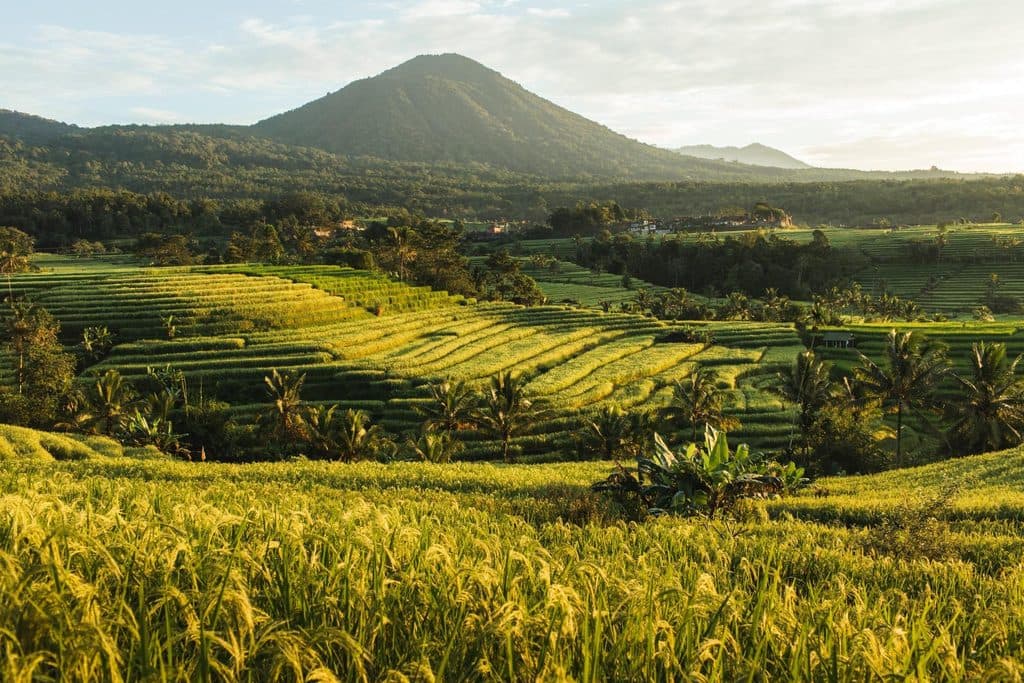
Jatiluwih Rice Terrace in Bali is one of the most remarkable natural landscapes and cultural attractions, located in Jatiluwih Village, Penebel District, Tabanan Regency. It offers a peaceful escape with expansive, beautifully layered rice fields.
The name itself is commonly interpreted from Balinese words jati, meaning genuine, and luwih, meaning beautiful. These Balinese words reflect the natural landscape’s exceptional beauty.
Jatiluwih Rice Terrace is recognised by UNESCO for its traditional Subak irrigation system, a centuries-old water practice that reflects the Balinese philosophy of Tri Hita Karana. It emphasises the harmony between people, nature, and the Divine.
This beautiful natural landscape is a popular destination for nature walks, photography, cycling, and experiencing Bali’s agricultural heritage. It offers a more tranquil atmosphere, allowing visitors to appreciate the island’s traditional farming landscape.
How to Get to Jatiluwih From Ubud, Canggu and Seminyak
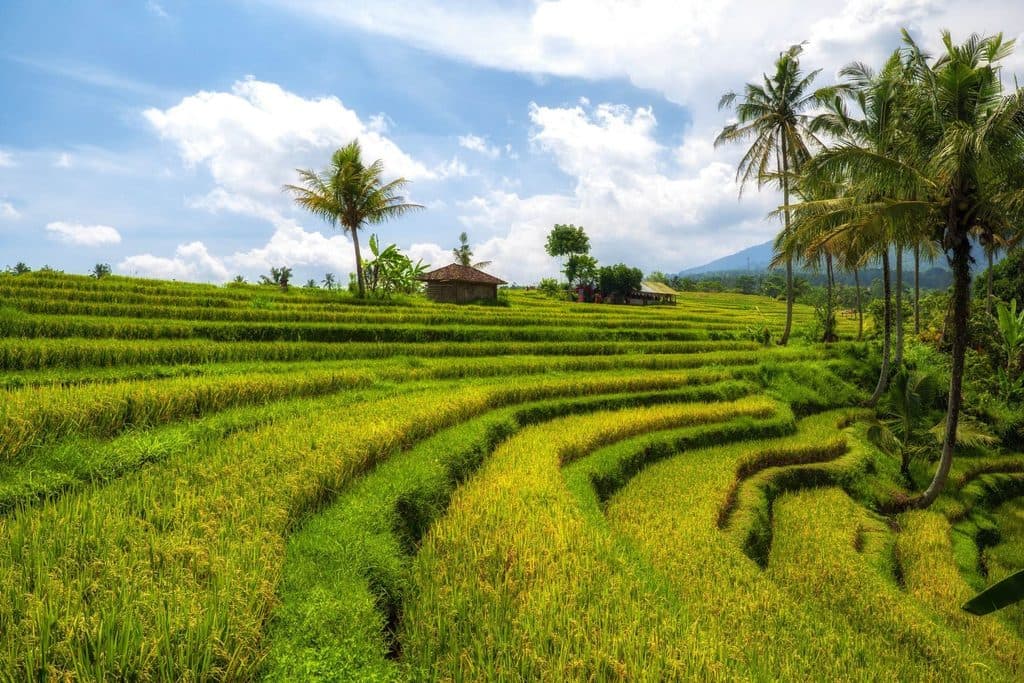
Jatiluwih sits in Tabanan Regency, which is accessible from your base areas, such as Ubud, Canggu, and Seminyak. To see the Subak irrigation in Jatiluwih, use a private car with a driver, rent a scooter, or join an organized tour.
From Ubud, Jatiluwih is roughly a 1.5 to 2-hour drive to reach the slopes of Mount Batukaru, where Jatiluwih sits. Depending on the route, you will pass though traditional Balinese villages, agricultural landscapes, and the scenic foothills.
The Canggu to Jatiluwih drive time is around 1.5 hours, making it an easy day trip from the coast. The journey heads north through Tabanan Regency before continuing toward the mountainous countryside.
Meanwhile, travel from Seminyak to Jatiluwih takes 1 hour 45 minutes to 2.5 hours. You may travel through parts of Badung and Tabanan before reaching Mount Batukaru, where the rice terraces sit in a tranquil atmosphere.
Jatiluwih Entrance Fee and Opening Hours (2026)
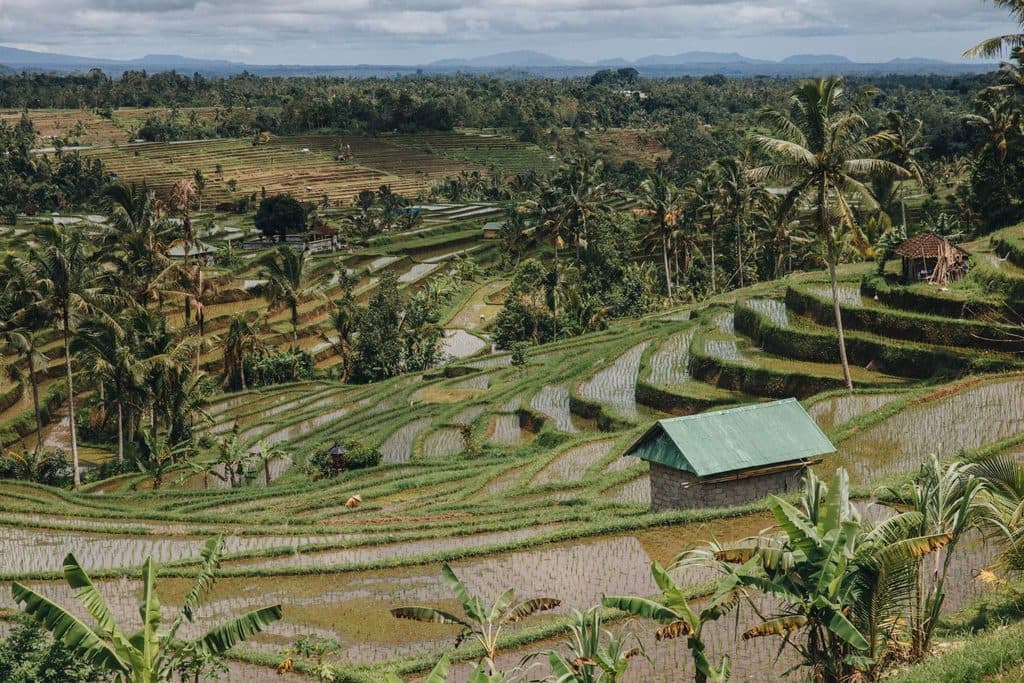
Before heading to the UNESCO World Heritage-listed landscape, know the entrance fee and opening hours. It is open daily and offers scenic walking trails, panoramic rice field views, and opportunities to experience Bali’s traditional farming culture.
Jatiluwih entrance fees fall into four categories, with separate rates for international visitors and local tourists. The fees are very reasonable, especially for a peaceful escape surrounded by fresh mountain air.
- International adult: IDR 75,000
- International child: IDR 50,000
- Indonesian adult: IDR 25,000
- Indonesian child: IDR 15,000
This UNESCO-recognised landscape operates daily, from 6 AM to 7 PM. The best time to visit is between 8 AM and 10 AM, when temperatures are cooler and clear skies often reveal the terraces and their Subak channels in full view.
Jatiluwih Trekking Routes
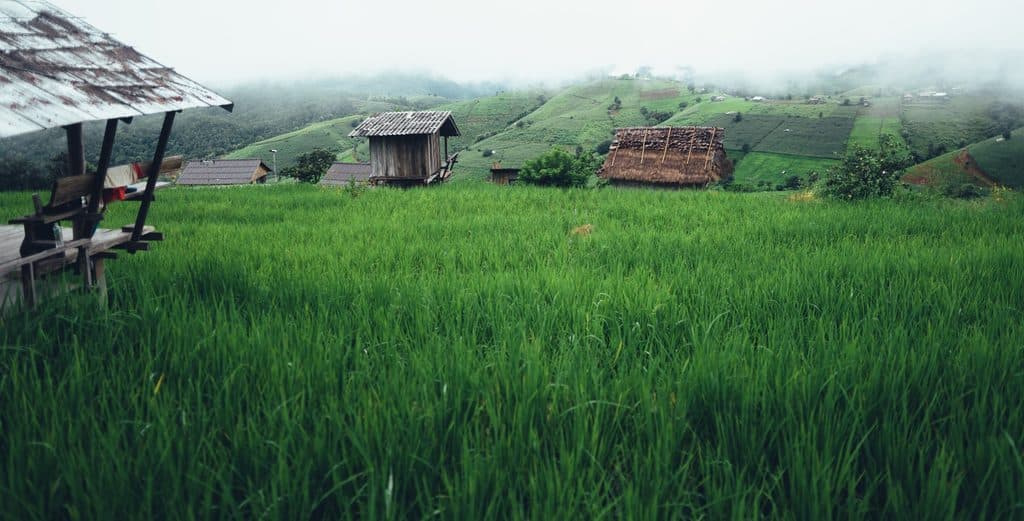
One of the best ways to enjoy Jatiluwih rice terrace is by walking along its designated trekking routes. The trails take you through lush rice paddies, traditional irrigation channels, and scenic countryside landscapes, offering a closer look at Bali’s agricultural heritage.
- Red Route (1 hour): Best for beginners, families, and visitors with limited time.
- Yellow Route (1 hour 10 minutes): Best for relaxed walks, scenic views, and photography.
- White Route (2 hours): Best for exploring rice fields and learning about the Subak irrigation system.
- Green Route (2.5–3 hours, 6 km): Best for nature lovers who enjoy longer walks through the countryside.
- Blue Route (4 hours, 7 km): Best for experienced trekkers looking for a longer and more challenging adventure.
For a better experience, start the exploration in the morning when temperatures are still cool. Wear comfortable shoes with good grip because some paths can become slippery after rainfall, and bring water, sunscreen, and a hat for comfortable, longer trails.
Best Time to Visit Jatiluwih
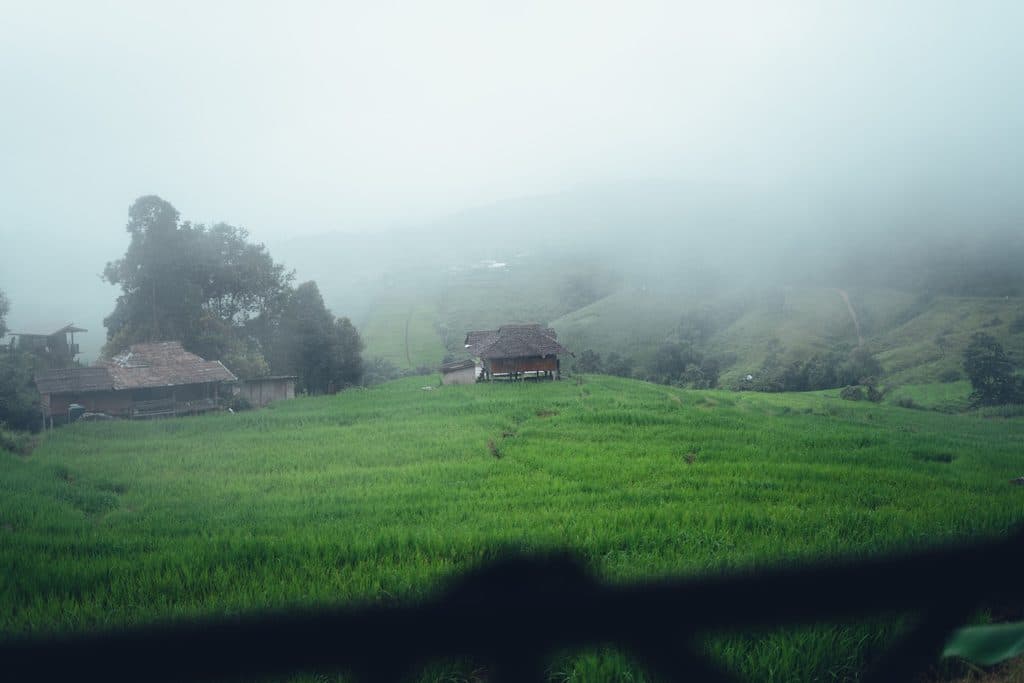
Jatiluwih is worth visiting in both the dry and rainy seasons, each with its own look. . It’s the perfect window to take in the scenery at its finest and see how Subak, guided by Tri Hita Karana, keeps every terrace nourished.
Early morning in the dry season or rainy season offers fresh sightseeing when exploring the rice terrace. Start exploration between 7 AM and 10 AM when the weather is cooler, the surroundings are quieter, and the morning sunlight creates beautiful views across the rice terrace.
Alternatively, explore Jatiluwih from 3:30 PM to 5:30 PM for softer light and a more peaceful atmosphere. However, clouds and occasional rain can limit visibility, especially in the afternoon.
Jatiluwih vs Tegallalang
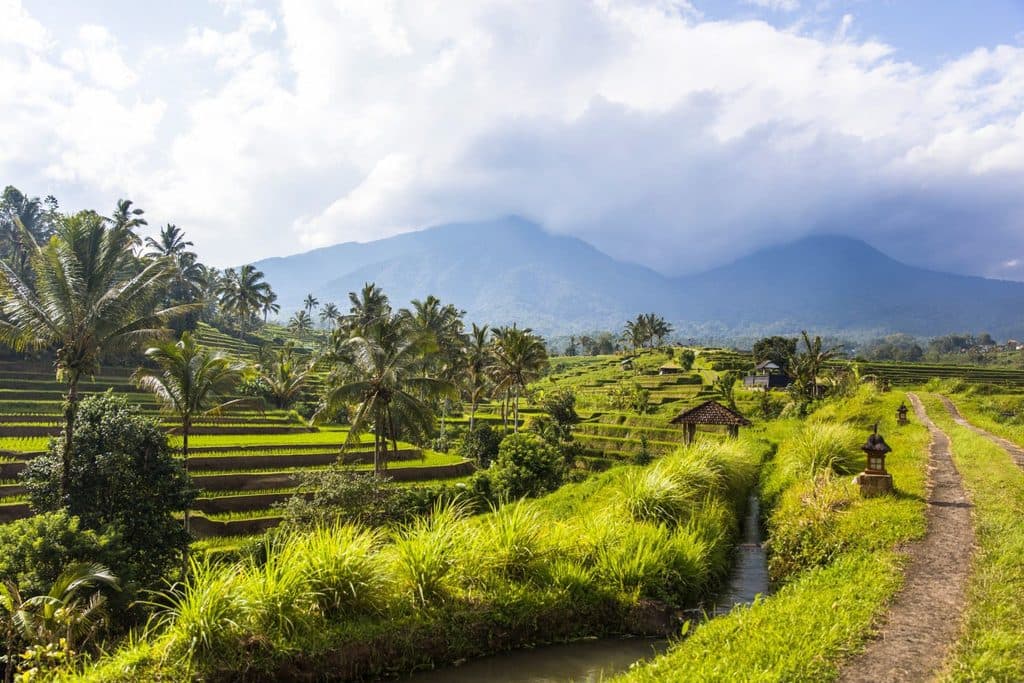
Jatiluwih and Tegallalang are two famous rice terrace, each offering a different experience. While both reflect Tri Hita Karana through the Subak irrigation system, they differ in size, atmosphere, and location.
If you compare Jatiluwih rice terrace vs. Tegallalang, you can see why these two popular rice terrace are famous among tourists. Your choice depends on travel preferences, available time, and the kind of experience you want during a holiday in Bali.
| Comparison | Jatiluwih | Tegallalang |
| Location | Tabanan | Near Ubud, Gianyar |
| Landscape | Wide, expansive rice fields | Steep, layered valley |
| Atmosphere | Peaceful and less crowded | Lively and tourist-oriented |
| UNESCO status | Part of UNESCO World Heritage Site | Not UNESCO-listed |
| Main activities | Trekking, cycling, photography | Bali swings, photography, cafés |
| Time needed | 2–4 hours | 1–2 hours |
| From central Ubud | 1.5–2 hours | 20–30 minutes |
| Best for | Nature lovers and cultural experiences | Short visits and photography |
Jatiluwih feels wide open and serene, whereas Tegallalang is easier to reach and full of energy. Which one suits you comes down to your travel style, how much time you have, and what you hope to get out of your Bali trip.
A West Bali Day Trip Around Jatiluwih
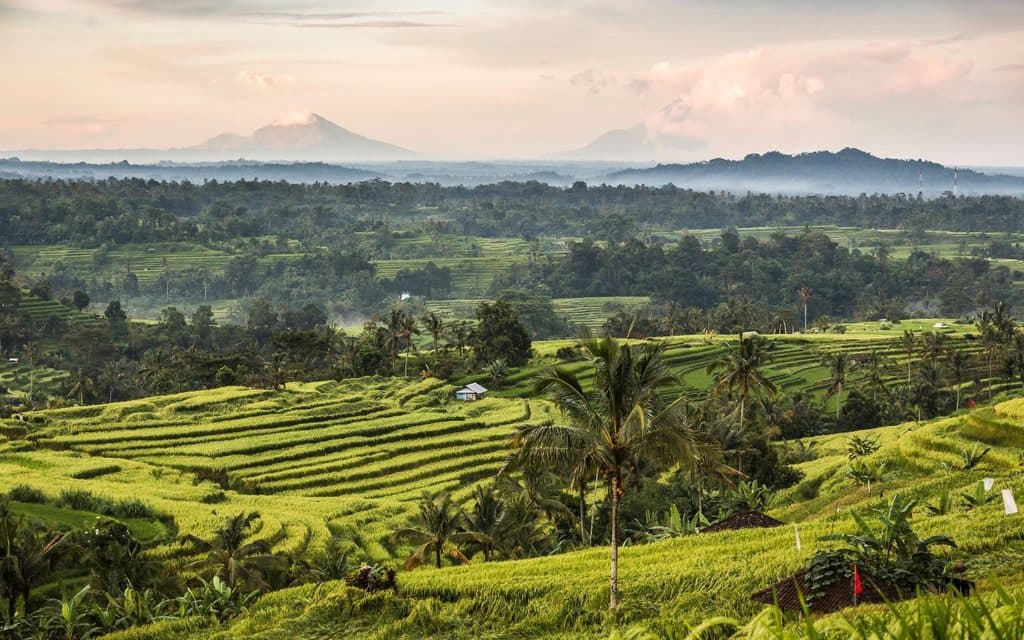
If you are planning a day trip to Jatiluwih, don’t miss the chance to explore Bali’s natural beauty and natural beauty, cultural landmarks, and peaceful surroundings. Follow this itinerary to see rice terraces, a temple, and a waterfall in one day. day.
- 7:00 AM – Depart from Your Hotel: Start early from Ubud, Canggu, or Seminyak to avoid heavy traffic.
- 9:00 AM – Jatiluwih Rice Terrace: Enjoy panoramic rice field views, take photographs, and explore the scenic trekking routes.
- 11:30 AM – Lunch with a Rice Terrace View: Try traditional Balinese dishes at a local restaurant overlooking Jatiluwih’s green landscape.
- 1:00 PM – Ulun Danu Beratan Temple: Visit the famous lakeside temple in Bedugul and admire its beautiful mountain surroundings.
- 2:30 PM – Leke Leke Waterfall: Take a short jungle trek to discover a scenic waterfall surrounded by tropical greenery.
- 4:00 PM – Return to Your Hotel: Head back to your accommodation after a full day of exploring Bali’s countryside.
This itinerary is ideal for exploring the West Bali district, covering all the highlights in a single trip. That’s what makes the day feel so complete, as you get to see a wide range of spots without rushing from one stop to the next.
Making the Most of Your Jatiluwih Rice Terrace Visit
Jatiluwih Rice Terrace is a UNESCO-recognised landscape that you can’t miss when visiting Bali, especially Tabanan. With its affordable entry fee and a trail well suited to first-time visitors, it has earned a reputation that rivals Tegallalang.
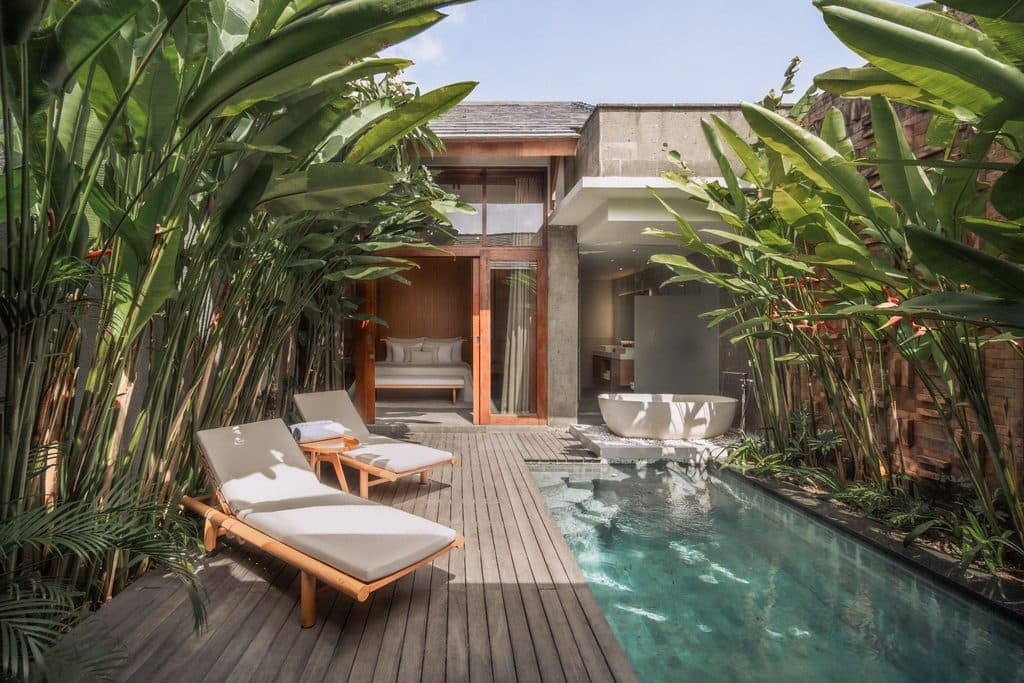
Make your trip even more memorable with a stay at. Stay at Athene Villa Seseh, surrounded by rice fields, or at Cabana Kedungu by SOLO for families seeking tranquility.
FAQs
The Jatiluwih Rice Terrace entrance fee in 2026 is IDR 75,000 for international adults and IDR 50,000 for international children. Indonesian visitors pay IDR 25,000 for adults and IDR 15,000 for children. Additional activities, such as guided trekking or cycling, may have separate charges.
You should spend around 2 to 3 hours at Jatiluwih Rice Terrace to enjoy the scenery, take photographs, and explore the walking trails. If you plan to take a longer trekking route or enjoy lunch overlooking the rice fields, consider allowing 3 to 4 hours.
It depends on your travel preferences. Jatiluwih is better for peaceful walks, expansive rice field views, and cultural experiences, while Tegallalang is ideal for photography, Bali swings, and shorter visits from Ubud. Both destinations offer beautiful scenery, but Jatiluwih generally provides a quieter atmosphere.
Yes, you can visit Jatiluwih Rice Terrace independently without joining a guided tour. You can rent a scooter, hire a private driver, or drive a rental car. The designated walking trails can also be explored without a guide, although hiring one can help you learn more about the local farming traditions and Subak irrigation system.
Jatiluwih Rice Terrace became part of Bali’s UNESCO World Heritage-listed cultural landscape in 2012 because of its traditional Subak irrigation system and its connection to the Balinese philosophy of Tri Hita Karana. This philosophy emphasises harmony between people, nature, and spirituality. The recognition highlights how generations of Balinese farmers have preserved sustainable agriculture, community cooperation, and cultural traditions.