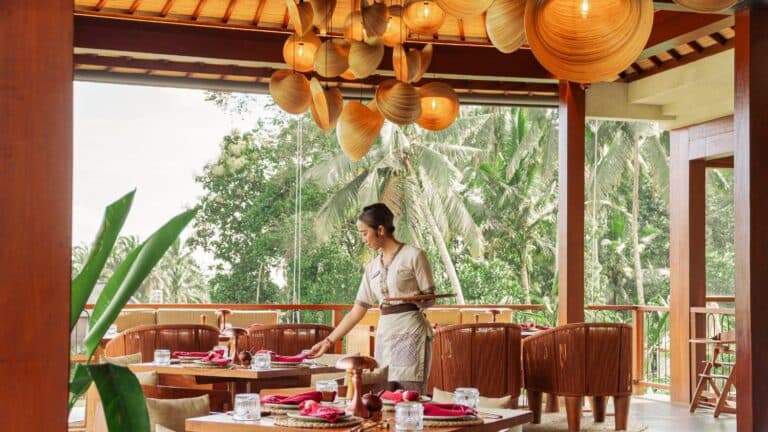
Farm-to-table and zero-waste restaurants in Bali are mostly found around Ubud. Some grow their own ingredients on-site, while others buy directly from nearby farmers. Many also compost their kitchen scraps so food waste stays out of landfills.

The farm-to-table concept is about where ingredients come from and where ingredients come from and how directly they reach the kitchen. Zero-waste focuses on how a restaurant operates, such as composting food scraps and avoiding single-use plastics. The list below covers both types and shows what makes each restaurant stand out.
What “Farm-to-Table” and “Zero-Waste” Actually Mean in Bali
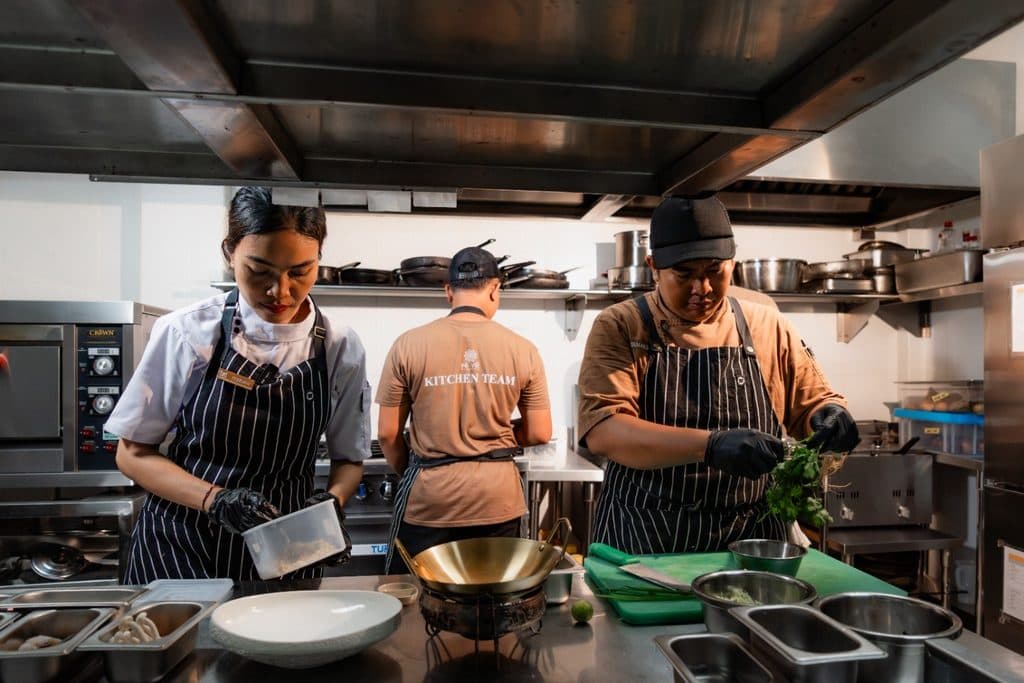
In Bali, farm-to-table restaurants know exactly where their ingredients come from. The food may come from their own on-site gardens or directly from local farmers, without long supply chains. There is no official standard for the term, so diners should look for transparency about sources, such as the names of specific farms or partner farmers.
A zero-waste restaurant in Bali is defined by how it runs day-to-day in both the kitchen and the service area. This includes composting food scraps, reusing leftovers, and avoiding single-use plastics. Few restaurants achieve absolute zero waste, so the most reliable signs are practices you can see, such as composting systems, drinking water refill stations, and reusable packaging. These are the sustainable dining options in Bali.
Best Farm-to-Table Restaurants in Ubud
1. Locavore NXT
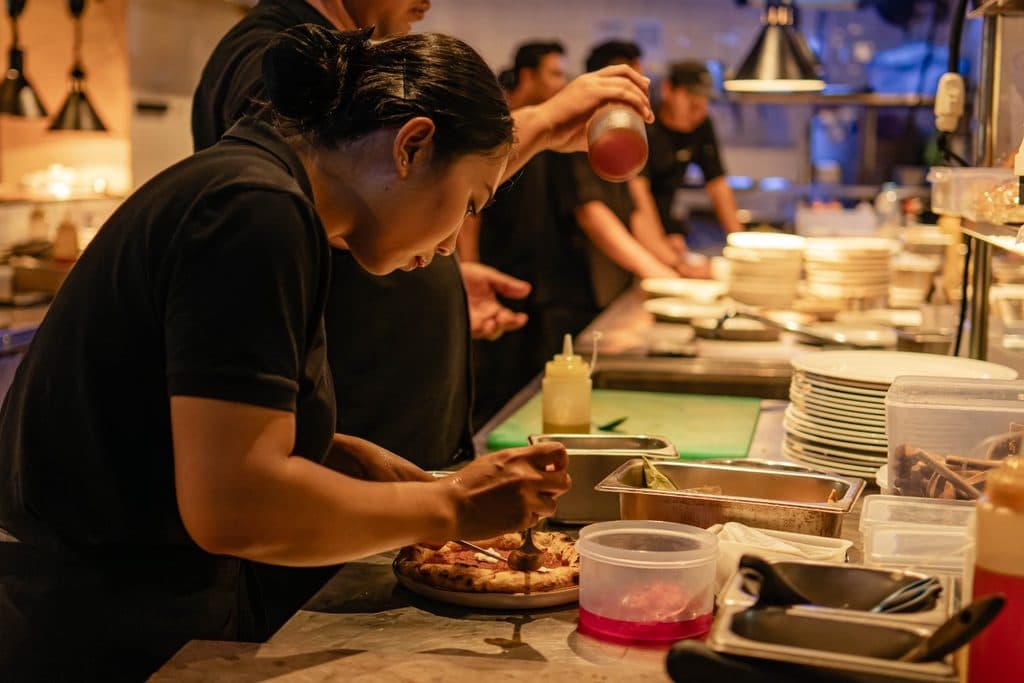
Locavore NXT is the next chapter of the well-known fine-dining restaurant Locavore. It follows a sustainable approach, using locally sourced ingredients from farmers across Bali and Indonesia, with nearly everything produced or bought directly from local farmers. This makes it one of the farm-to-table restaurant options in Ubud.
The tasting menu is creative and experimental, built around local ingredients and fermented products. The restaurant has its own permaculture garden, a research space, a fermentation lab, and eco-friendly architecture. The atmosphere is exclusive and modern, with an educational side that suits guests interested in sustainable fine dining.
2. Moksa Ubud
Moksa Ubud is an organic restaurant in Ubud with a permaculture garden right next to the dining area, so ingredients can be picked fresh. The menu is plant-based, with vegan and raw dishes.
Guests can see the organic farming process up close in the garden. The setting is calm, green, and close to nature, in the Sayan area of Ubud.
3. Hujan Locale
Hujan Locale highlights the food culture of the Indonesian archipelago. It works directly with Balinese farmers to keep its locally sourced ingredients fresh. The menu features traditional Indonesian and Southeast Asian dishes with a modern twist, served as contemporary comfort food.
Spice pastes and base ingredients are made from scratch using organic local produce. The interior has an elegant rustic-vintage style with modern colonial touches, in the heart of Ubud.
4. Bali Buda Ubud
Bali Buda Ubud has been a pioneer among organic restaurants and shops in Bali since 1994. It supports a healthy lifestyle and regenerative farming practices through its work with local organic farmers. The menu offers wholesome everyday meals, including vegetarian, vegan, and gluten-free options.
The restaurant also has a health food store that sells organic raw ingredients, house-made bread, and eco-friendly products. The atmosphere is relaxed, casual, and family-friendly.
Best Zero-Waste Restaurants in Bali
5. Ijen
Ijen sits inside the Potato Head Village complex in Seminyak and is widely recognized as Indonesia’s first zero-waste seafood restaurant. It serves responsibly sourced, line-caught local seafood cooked over a wood-fired grill, which makes it a good example of locally sourced ingredients in practice.
As a composting restaurant, Ijen turns all food scraps into compost or animal feed. Fish scales and shells are reused or recycled. The interior and tabletops are made from recycled materials, such as cement mixed with crushed glass. The atmosphere is open and relaxed, with a rustic, eco-friendly look.
6. Room4Dessert
Room4Dessert in Ubud is known for its innovative dessert courses, but also for its zero-waste kitchen and its work in ecological restoration. Guests can order a dessert tasting menu, along with unique cocktails and mocktails made from local herbs and organic fruits.
In the kitchen, most part of an ingredient gets used. Fruit peels and plant pulp become house-made vinegars and syrups through fermentation. Food scraps are composted, and that compost feeds the permaculture garden and the Miyawaki forest around the restaurant. The setting is artistic and intimate, surrounded by lush organic medicinal gardens.
7. Genius Cafe Sanur
Genius Cafe Sanur follows a strict no-plastic-waste policy. It is a beachfront venue that doubles as a co-working space. The menu includes healthy plant-based meals, smoothie bowls, and organic, gluten-free dishes.
The cafe avoids single-use plastics. It uses biodegradable straws and packaging made from recycled newspapers by the local community, and it manages its waste with an organic focus. The atmosphere is a relaxed beachfront cafe with the gentle sea breeze Sanur is known for.
Eating With Intention in Bali
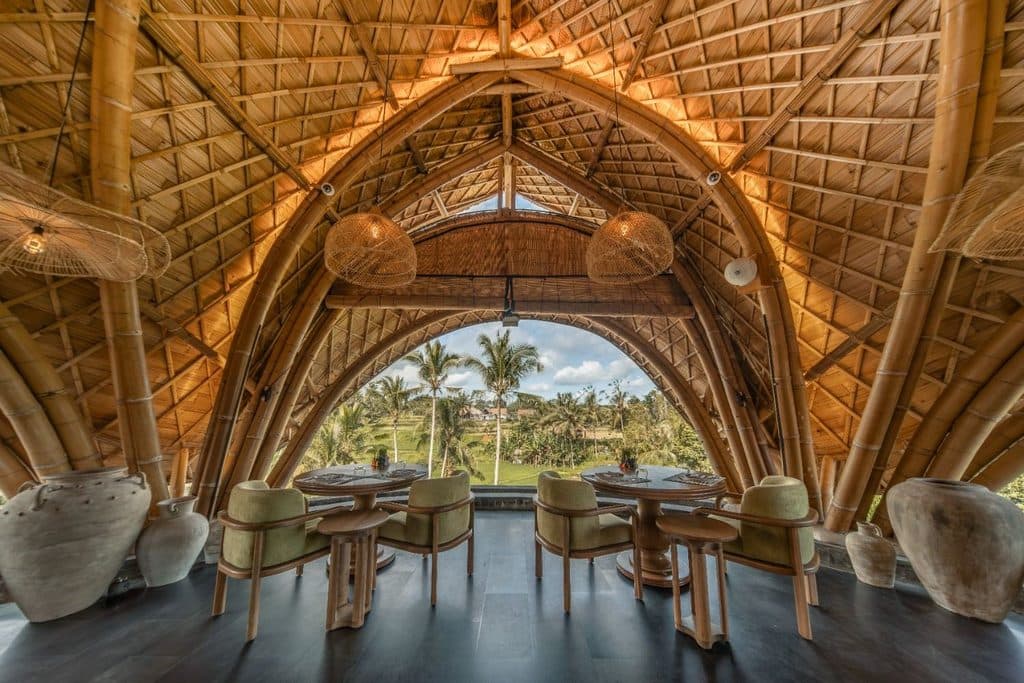
Farm-to-table and zero-waste are two different ideas, and each is worth looking for on its own. The first is about where ingredients come from, while the second is about how a kitchen runs day to day. The best farm-to-table restaurants in Bali are open about their sources, and the most convincing zero-waste spots show their practices, from composting to refill stations.
Next time you plan a meal, ask a few questions and choose places that answer them well. iNi Vie Hospitality is one of the hospitality groups in Bali that cares about reducing waste in its restaurants, so it is worth a look on your next trip.
What to Ask If You Care About Sustainable Dining
Ask which vegetables, herbs, and proteins are sourced nearby. A good team can name the area, such as farms around Ubud and Tegallalang, and often the growers too.
Seasonal cooking changes with the harvest, so the menu should shift over time. If a dish is available year-round with no change, its ingredients may travel a long way.
Ask whether the fish is caught locally and how the kitchen chooses its suppliers. Restaurants that care usually know the answer and are happy to share it.
Look for kitchens that compost scraps, feed them to animals, or reuse trimmings in stocks and sauces. Smaller portions and flexible ordering also reduce waste at the table.
Straws, bottled water, and takeaway packaging add up quickly. Refill stations, glass bottles, and reusable or bamboo alternatives are good signs.
Ask whether the team buys from small farmers, hires locally, or works with village artisans. These choices keep more of the money in the area around the restaurant.