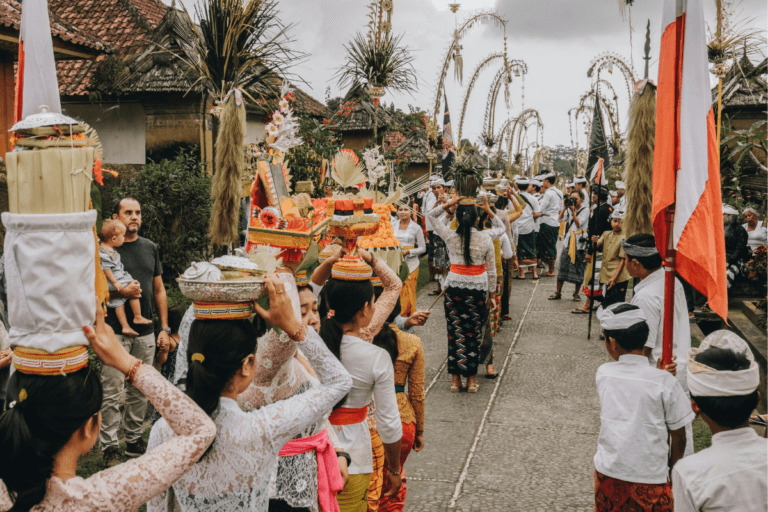
Bali’s culture is often the quiet detail that goes unnoticed in conversations about the island. For most people, beautiful beaches, vibrant nightlife, and the idea of a holiday escape are the main things they focus on and remember.

Bali is not just a tourist destination, but a place where Hindu tradition, art, and communities have grown for thousands of years, shaping the island’s beauty and history. If you want to understand Bali culture better, this article invites you to explore its traditions, beliefs, and daily life.
The Foundation: Tri Hita Karana
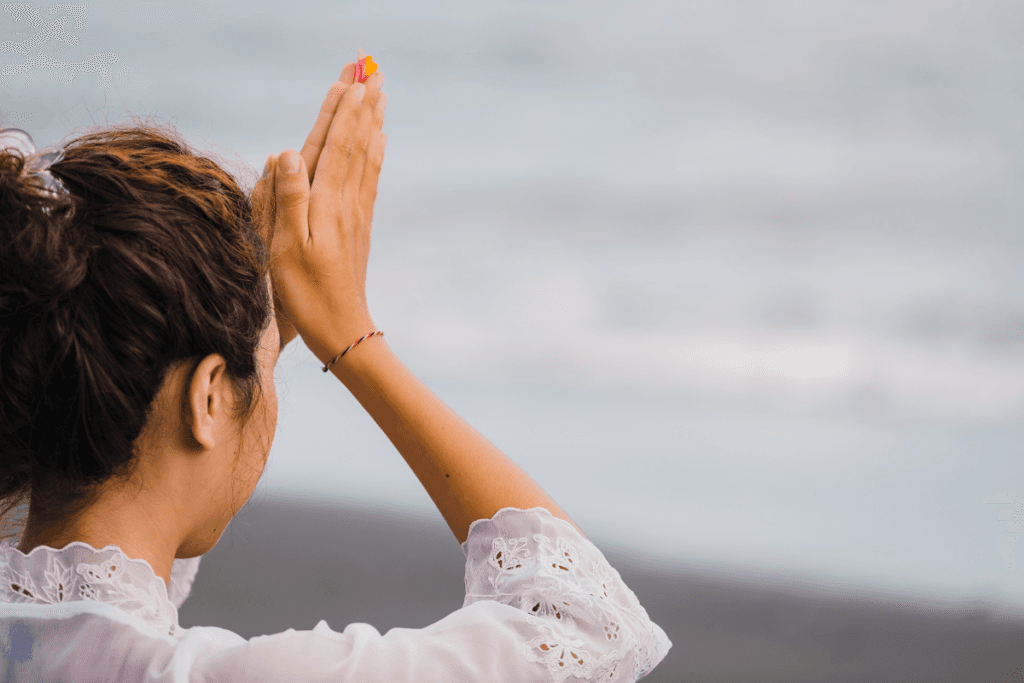
When talking about Bali culture, it is important to start from the basics. Tri Hita Karana is the core philosophy that guides how Balinese people live their lives, and it comes from Balinese Hinduism, meaning “three causes of well-being.”
This philosophy teaches the importance of harmony in three key relationships: humans with God (Parahyangan), humans with others (Pawongan), and humans with nature (Palemahan). These values are deeply rooted in Balinese culture and traditions.
Even though it originates in Bali, the values of Tri Hita Karana of Bali are universal and can be applied anywhere. Here is a clearer explanation of each principle.
Parahyangan: Harmony Between Humans and God
Parahyangan comes from the words “Pra,” meaning noble, and “Hyang,” meaning God and all His manifestations. It teaches people to build a harmonious relationship with God through religious practices such as ceremonies (yadnya), prayer, and respect for sacred places.
This relationship is expressed through daily rituals and devotion. Offerings like canang sari in Bali are a simple way to show gratitude and maintain spiritual balance in daily life culture.
Pawongan: Harmony Among People
Pawongan comes from the word “Wong,” which means human. It focuses on building good and respectful relationships among people.
This can be seen in daily life, where people follow social values, ethics, and cooperation within the banjar community in Bali. As a result, relationships remain stable, peaceful, and harmonious.
Palemahan: Harmony with Nature
Palemahan comes from the word “Lemah,” meaning land or environment. It teaches people to maintain a balanced and respectful relationship with nature.
In daily life, this includes caring for the environment, protecting nature, and avoiding actions that damage it. Here, nature is considered an important part of life that must always be respected.
Tri Hita Karana in Daily Life and Architecture
As a life philosophy, Tri Hita Karana is deeply rooted in daily activities, traditions, and art. It also helps Bali preserve its cultural diversity despite the growing influence of globalization.
This philosophy is clearly seen in Balinese architecture, where buildings are designed to create harmony between humans, nature, and God. Both traditional and modern structures follow this principle.
In architecture, Parahyangan is shown through the presence of a family temple (sanggah or pamerajan), usually located in the northeast (kaja-kangin) area of the house. This is considered the most sacred part of a Balinese home.
Pawongan can be seen in layouts that support social interaction, such as the central courtyard (natah) or shared spaces like the banjar. These areas are used for gathering and strengthening community relationships.
Palemahan is reflected in the use of natural materials such as wood, bamboo, and stone. Buildings are also designed to follow the natural shape of the land, showing respect for the environment.
By applying Tri Hita Karana in architecture, buildings on this island are not only functional but also spiritual and environmentally conscious. This is what makes the Bali culture unique and meaningful.
Religion: Balinese Hinduism
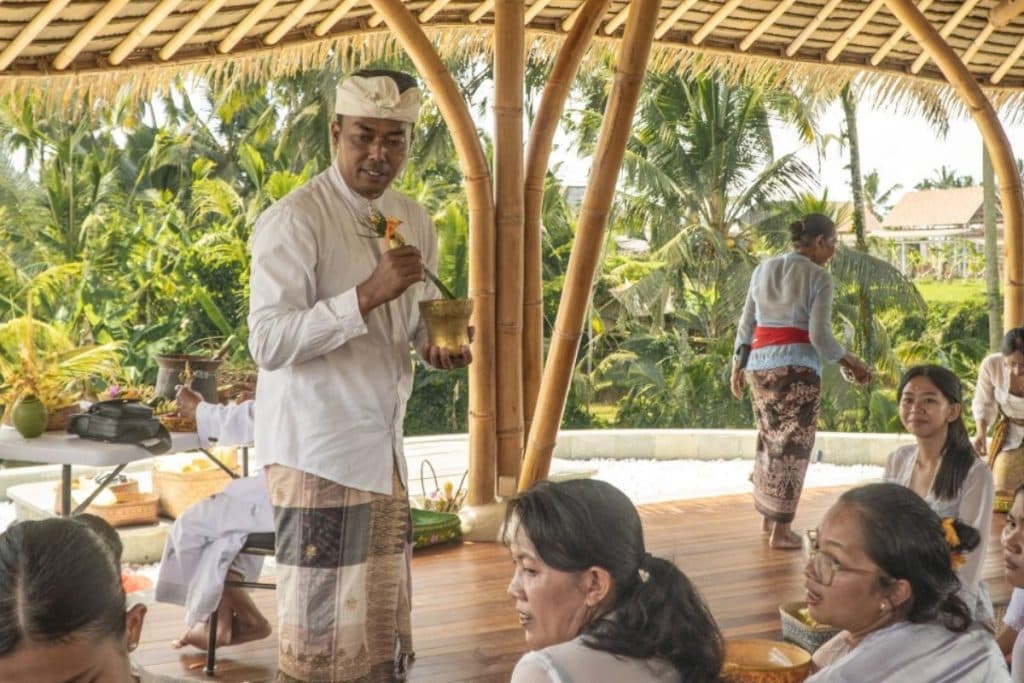
Another important part of Bali culture is its religion. The Balinese people follow Hinduism, which shares the same roots as Hinduism in India but has developed in its own unique way.
This difference often comes from local history and cultural influences. As a result, Balinese culture and traditions combine Hindu teachings with animism and ancestor worship.
In Bali, people believe that spirits exist in nature and that ancestors remain present in daily life. This is why rituals and offerings, such as the canang sari, are prepared and presented daily as a sign of gratitude and balance.
Temples, or pura, are also central in Bali’s Hinduism. Each family, village, and region has its own temple, and ceremonies are held regularly based on the traditional calendar, which shapes many of Bali’s ceremonies and festivals.
Another unique feature is the concept of direction, especially kaja and kelod. Kaja refers to the mountains and is considered sacred, while kelod refers to the sea and represents the more worldly side of life.
This system influences how homes, temples, and villages are built. It shows how Balinese daily life culture is closely connected to spiritual beliefs.
The Role of Community: Banjar System
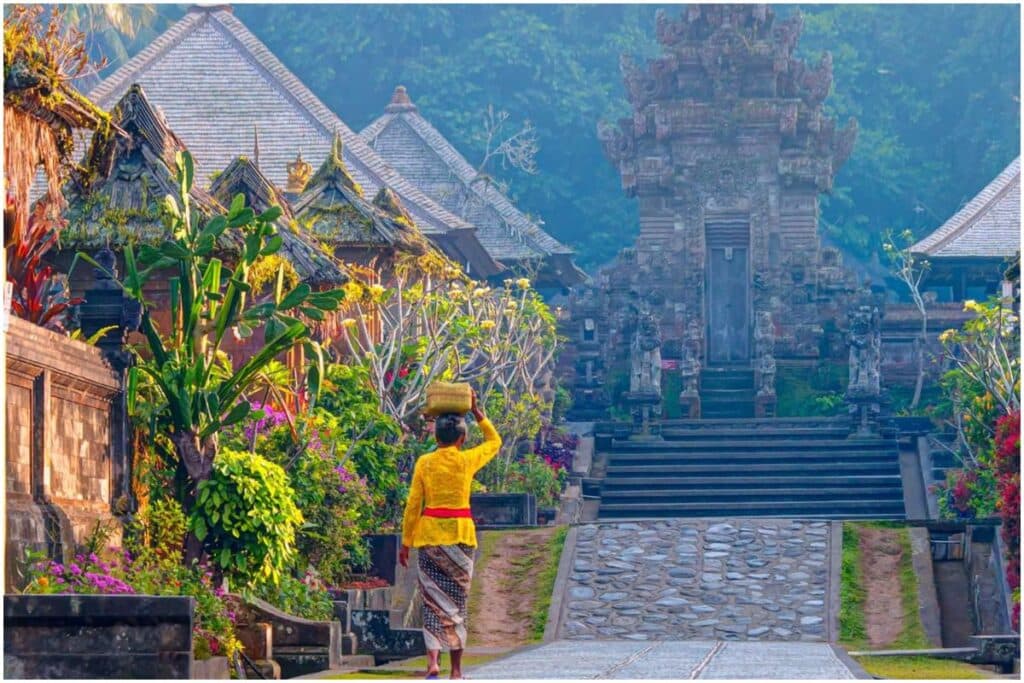
Life in Bali is well organized, and one of the key systems that supports this is the banjar system. A banjar is a local administrative and social unit that helps manage village life and plays an important role in shaping Bali culture.
Similar to a neighborhood association, a banjar is a community with clear boundaries and responsibilities. It has the authority to manage local affairs based on traditions, customs, and social values that are respected within the Indonesian system.
Historically, the Balinese banjar system was first used to manage irrigation for rice fields. As time went on, its role expanded to include broader responsibilities such as handling administrative matters, including identity documents for locals and temporary permits for newcomers, as well as organizing Bali ceremonies and festivals.
The banjar system also shows how Balinese daily life culture is strongly based on community rather than individual interests. People are expected to participate, contribute, and support one another in both daily activities and important events.
More than just an administrative system, the banjar acts as a center for cultural, religious, and social life. It becomes a place where Balinese culture and traditions are preserved, practiced, and passed down through generations.
Through the banjar, cooperation and togetherness are maintained within the community. This is why Balinese society remains closely connected, with strong values of unity, mutual help, and shared responsibility.
Major Ceremonies & Festivals in Bali Culture
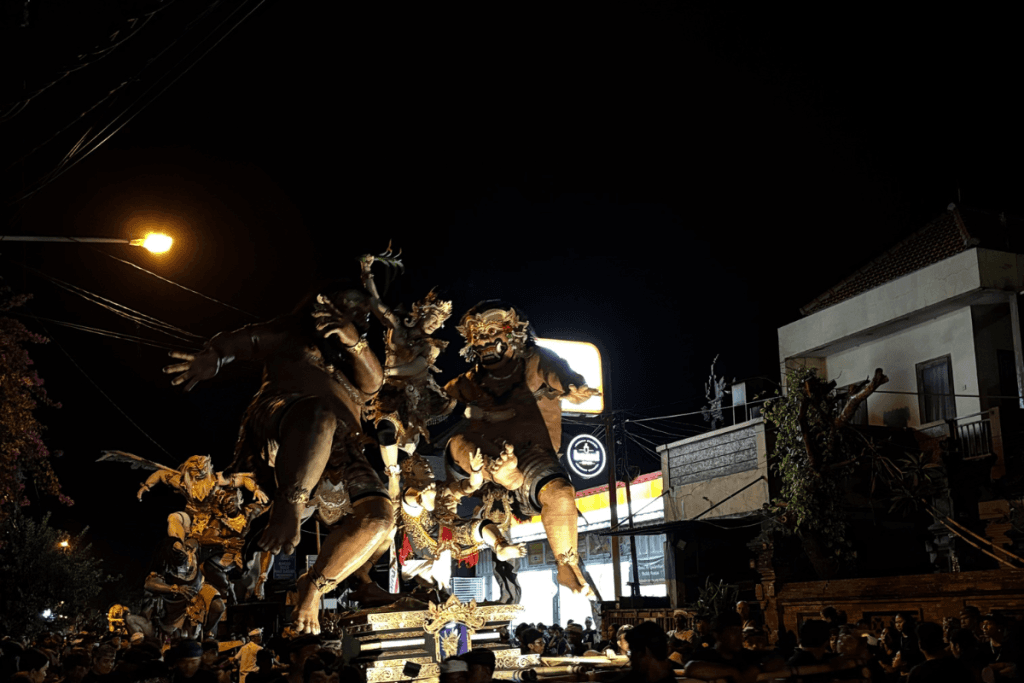
As an island with strong traditions rooted in Hindu beliefs, Balinese culture is rich with ceremonies and rituals throughout the year. These ceremonies and festivals are deeply woven into daily life and are part of what makes the island so unique and meaningful.
When visiting, you will often witness traditions that are still actively practiced by the local community. Here are some of the main festivals and important celebrations in Bali:
1. Nyepi (Day of Silence)
Nyepi Bali marks the Balinese New Year and usually takes place around March. On this day, the entire island comes to a complete stop, with no travel, no work, no lights, and no noise, allowing time for reflection, fasting, and meditation.
2. Melasti
Melasti is a purification ritual held a few days before Nyepi. It aims to cleanse both the human soul (buana alit) and the universe (buana agung), and is usually performed at the sea or in lakes using holy water (tirta amerta).
3. Ogoh-Ogoh Parade
Bali’s Ogoh-Ogoh parade takes place on the night before Nyepi, known as Pengrupukan. Large demon statues representing Bhuta Kala (negative forces) are carried through the streets and symbolically removed to purify the environment.
4. Galungan & Kuningan
Galungan Kuningan Bali is celebrated every 210 days over a period of 10 days. It marks the victory of Dharma (good) over Adharma (evil), with streets decorated by penjor, followed by Kuningan as a day to pray for safety and blessings.
Beyond these major celebrations, many other rituals take place regularly throughout the year. All of them follow the traditional Pawukon calendar, a 210-day cycle that keeps spiritual life closely connected to daily routines in Bali’s culture.
Balinese Traditional Arts & Performance
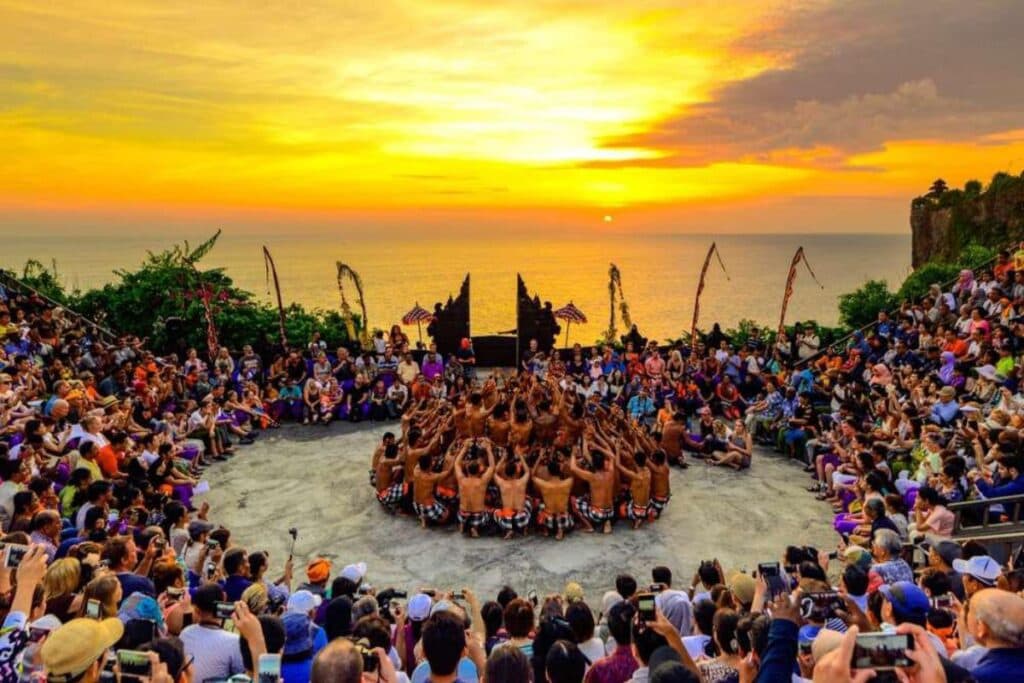
Not only is Bali’s culture rich in ceremonies, but it is also known for its captivating traditional arts and performances. Experiencing these performances is an essential part of any visit to Bali.
Watching traditional performances is one of the most memorable things to do in Bali. Here are some of the most popular and meaningful art forms rooted in local culture:
1. Kecak Dance
Kecak dance in Bali is one of the most iconic performances. It is unique because it does not use musical instruments, but instead relies on the rhythmic chanting of “cak-cak-cak” by a circle of male performers.
The dance tells the story of the Ramayana, especially the kidnapping of Sinta. It is commonly performed every day at 6:00 PM at Uluwatu Temple, where you can also enjoy a stunning sunset view.
2. Legong Dance
The Legong dance in Ubud is a classical performance known for its graceful and complex movements. It was once performed only for royal families, but today it can be enjoyed by everyone.
You can watch this dance at Ubud Palace at 7:30 PM every evening. The performance reflects elegance, discipline, and the richness of traditional storytelling.
3. Gamelan Music
Gamelan is a traditional music ensemble that plays an important role in performances and ceremonies. It consists of instruments such as metallophones, drums, and gongs, creating a layered and rhythmic sound.
You can experience gamelan performances in cultural centers, temples, and during ceremonies, often in the evening. It is an essential part of Bali daily life culture and often accompanies dance and rituals.
4. Wayang Kulit (Shadow Puppetry)
Wayang kulit is a traditional shadow puppet performance that has been preserved for generations. A puppeteer, known as a dalang, tells stories using leather puppets behind a white screen, accompanied by gamelan music.
This performance is usually held at Oka Kartini every Wednesday, Friday, and Sunday at 8:00 PM. It often shares moral and spiritual lessons from ancient epics.
5. Bali Arts Festival
The Bali Arts Festival is the largest cultural event on the island. It usually takes place from June to July at Taman Werdhi Budaya Art Center, featuring a wide range of performances from morning until evening, including dance, music, and art exhibitions.
Beyond these, there are many other performances such as the Barong dance and local village shows. These art forms remain a strong attraction and an important expression of the Bali culture.
How to Experience Bali Culture Authentically
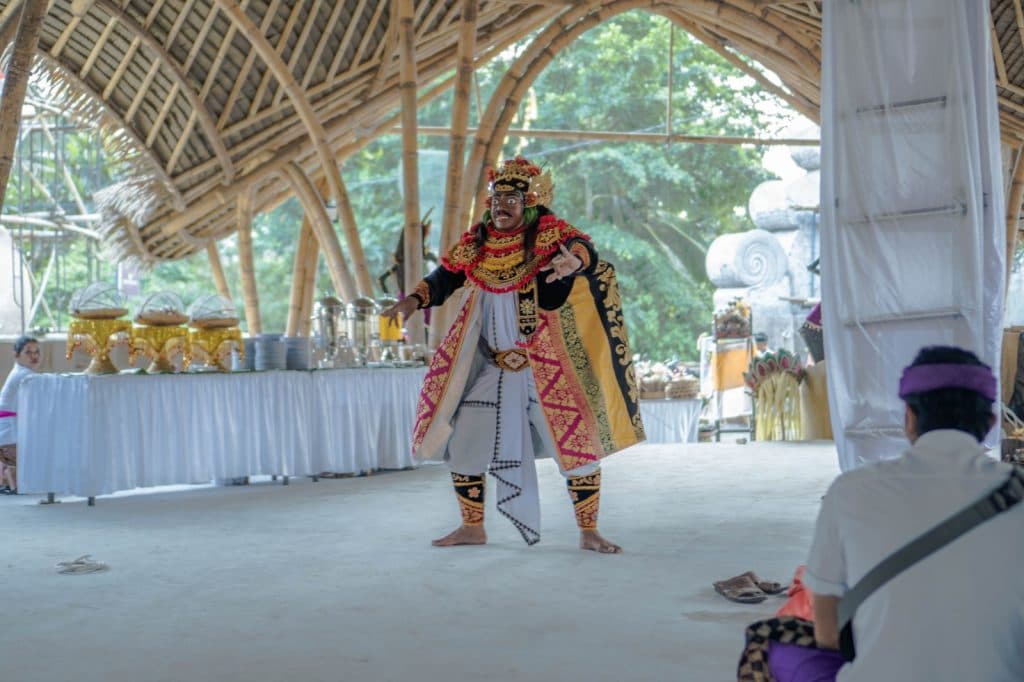
To truly experience the authenticity of Bali culture, you can start with simple things during your visit. Try connecting with locals by visiting small warungs or neighborhood shops, and explore Balinese souvenirs such as handicrafts, snacks, or traditional products to bring home a meaningful memory.
You can also learn more about Balinese culture and traditions by joining activities like a canang sari workshop or watching traditional performances such as Kecak Dance in Uluwatu, Legong Dance in Ubud, and others. These experiences help you understand the deeper meaning behind local art and rituals.
Another way is to visit local villages, especially during ceremonies, where you can see traditions in their most authentic form. You can also enjoy slower moments, such as experiencing a Balinese spa and massage or having dinner at family-run eateries, where you can taste authentic local flavors in a warm and intimate setting.
In the end, Bali is not only about its natural beauty, but also its rich cultural heritage. Understanding Bali culture as a tourist will make the journey more meaningful and leave a lasting impression beyond the trip itself.
FAQs
1. What religion do Balinese people practice?
The majority of Balinese people practice Hinduism, specifically Balinese Hinduism, which combines Hindu teachings with local traditions and spiritual beliefs. Religion plays an important role in daily life in Bali, influencing ceremonies, temple rituals, traditional arts, and community activities.
2. What are the main festivals in Bali?
Some of the main festivals celebrated in Bali include Nyepi (Day of Silence), Melasti, the Ogoh-Ogoh Parade, Galungan, and Kuningan. These festivals are deeply connected to Balinese Hindu traditions and are often marked by ceremonies, temple offerings, cultural performances, and community gatherings across the island.
3. Is it disrespectful to visit temples in Bali?
Visiting temples in Bali is completely welcome and is a common part of many travelers’ experiences on the island. However, it becomes disrespectful when visitors ignore local customs, dress inappropriately, enter restricted sacred areas, or fail to follow temple etiquette and regulations.
3. What is Nyepi?
Nyepi marks the Balinese New Year and usually takes place around March each year. During Nyepi, the entire island comes to a complete stop with no travel, no work, minimal lights, and limited noise, creating a day dedicated to reflection, fasting, meditation, and spiritual cleansing.
Final Thought on Bali Culture
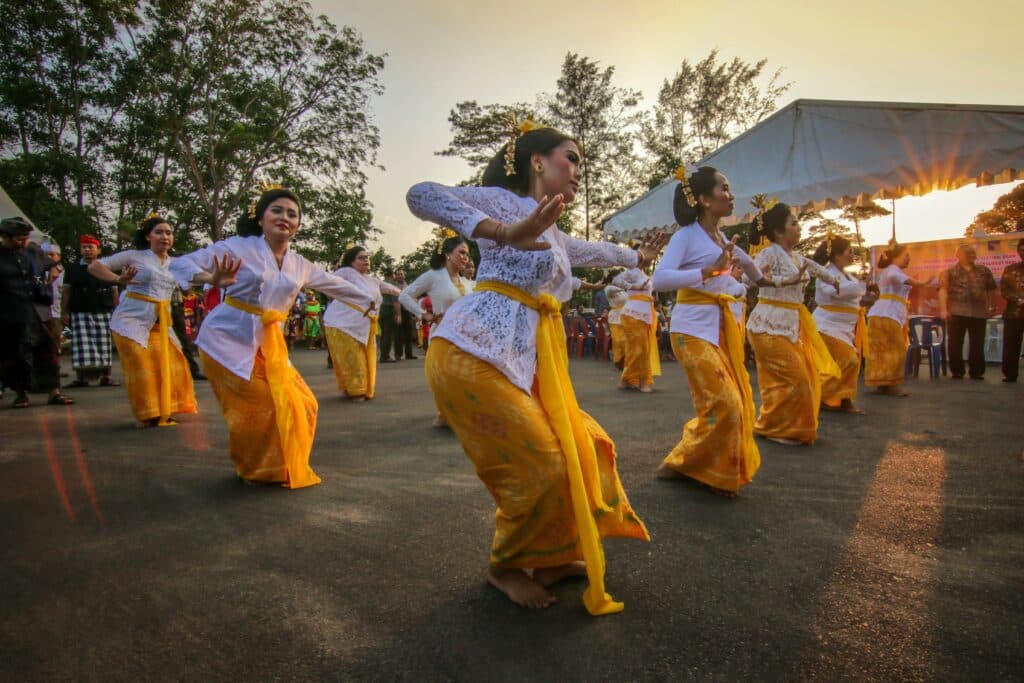
Bali is more than just a beautiful island with stunning tourist attractions. Behind its beaches, mountains, and tropical scenery, Bali has a rich culture shaped by deep traditions, spirituality, history, and a unique way of life that makes the island truly special.
When visiting Bali, it is important to travel with respect and awareness to help preserve the island’s beauty, not only in its nature and beaches, but also in its communities, beliefs, traditions, and cultural heritage. The more you understand Bali culture, the more meaningful and memorable your experience on the island will become.