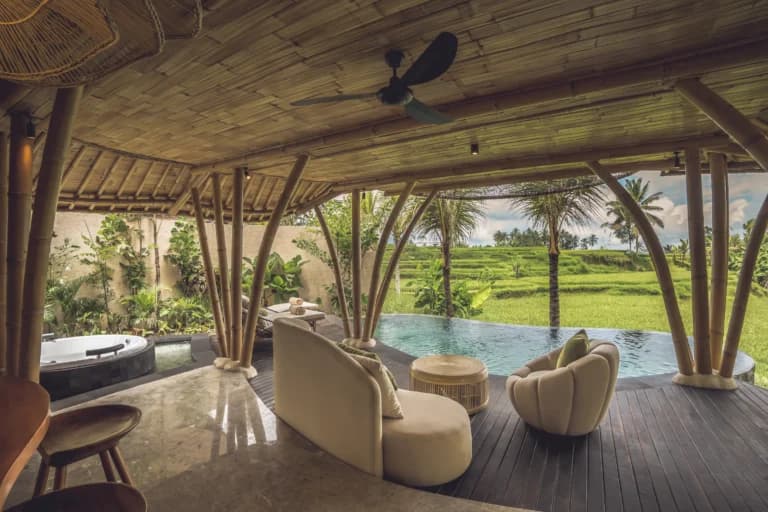
Sustainable living is a growing trend among environmentally conscious tourists visiting Bali. This lifestyle involves making everyday choices that support the well-being of people and communities, now and in the future.

This lifestyle matters for the environment because it has three pillars that you have to understand along with practical tips. Discover more about sustainable living that connects to travel in Dewata Island.
What Is Sustainable Living?

A sustainable lifestyle aims to meet present needs without compromising the ability of future generations to meet theirs. It involves making everyday choices that use natural resources responsibly, like the zero waste movement.
By using natural resources and applying eco-friendly living principles, you can minimize environmental damage and support human well-being. It can even support human well-being, as it creates a healthier balance between people, communities, and the planet.
As a part of green living, sustainable living means encouraging people to be more thoughtful about how products are made, how much energy and water they consume, and what they throw away. It doesn’t mean giving up technology or modern conveniences.
Understanding “What is sustainable living?” allows you to live with technologies without harming the environment. It makes you become a truly thoughtful person who uses natural resources most conveniently.
If you already understand the meaning of sustainable living, you should know why this lifestyle matters right now. It walks you through many options, including eco-tourism, currently popular among tourists in Bali.
Why Sustainable Living Matters Right Now
As mentioned above regarding the sustainable living definition, this lifestyle truly matters right now. This is because the environmental impact of modern lifestyles is no longer a distant concern for every tourist in Bali.
Climate change, pollution, biodiversity loss, excessive waste, and pressure on water and food are already affecting communities, businesses, public health, and local economies around the world. It is what makes a zero-waste lifestyle applicable nowadays.
Since it is important, you may wonder how to live sustainably in a fast-changing lifestyle in this modern era. Buying fewer unnecessary products, choosing durable and repairable goods, and reducing energy and water consumption are the easiest ways to apply this lifestyle.
You can also reduce your carbon footprint by using long-lasting products and materials. By choosing long-lasting products, you reduce waste and create the option to reuse, repair, refill, recycle, or compost them.
The Three Pillars of Sustainable Living

When implementing sustainable living, you must understand that three pillars serve as the cornerstones of the way of life. These three pillars create a balanced approach to protecting the environment from damage and harmful things.
1. Environmental Sustainability.
A sustainable stay in Bali follows the principles of environmental sustainability that focus on protecting nature and using natural resources responsibly. The main goal is to reduce environmental damage while ensuring that resources such as water, energy, forests, and land are used responsibly.
Examples of environmental sustainability include reducing energy and water consumption, using renewable energy, avoiding single-use plastic, and recycling, repairing, and reusing products. These are the easiest ways to preserve the environment and its natural resources.
Applying sustainable living tips can begin with simple daily habits. Turning off unused lights, carrying a reusable bottle, limiting unnecessary purchases, and separating household waste will reduce environmental impact.
2. Social Sustainability
Social sustainability focuses on people, fairness, safety, health, equality, and quality of life. It aims to create communities that include people who respect one another and can access opportunities for essential services.
Examples of social sustainability include providing fair salaries and benefits, creating safe and respectful workplaces, supporting local businesses and artisans, and protecting cultural traditions. These are what make sustainable travel in Bali feel more fun.
This pillar of sustainability is important because environmental progress should not come at the expense of people. A product may use recycled materials, but it is not fully sustainable if workers are underpaid or exposed to unsafe conditions.
3. Economic Sustainability
Economic sustainability focuses on creating financial systems, businesses, and livelihoods that can remain stable for such a long period of time. It encourages responsible growth without exploiting workers, communities, or natural resources.
As it creates lasting value while reducing waste, this pillar can maintain healthy supply chains, including supporting local businesses, creating stable employment, and paying fair prices to suppliers, which several eco-conscious hotels in Bali do.
You can also implement this pillar as part of sustainable living at home. Start by cutting back on wasteful expenditure, fixing rather than replacing products, cutting energy costs, and selecting durable materials to create a less damaging activity for the environment.
Practical Sustainable Living Tips You Can Start Today
Here are some practical sustainable living tips for you to preserve the environment from damage, including:
- Reducing single-use plastic: You can start by carrying a reusable water bottle, shopping bag, food container, and coffee cup, as it is more environmentally friendly.
- Save electricity at home: Turn off lights, air conditioning, fans, and electronic devices when they are not in use. During the day, use natural light and ventilation to make the room bright.
- Use water more responsibly: Shorter showers, shutting off the faucet when brushing your teeth, and not leaving the water running while doing the dishes are all ways to use water sensibly.
- Reduce food waste: Ethical consumption allows you to reduce food waste. Planning meals before shopping and checking what is already available at home will help avoid food being wasted.
- Choose sustainable transportation: Consider walking instead of driving for short journeys. If you need a vehicle, make sure you are aware of its size, frequency of use, maintenance requirements, and fuel efficiency.
These practical sustainable living tips make your life easier by avoiding damage to the environment. You can save it for future generations, allowing them to live comfortably as you preserve it.
Sustainable Living While Traveling
Bali’s adequate facilities make it easy to adopt a sustainable lifestyle while traveling. Sustainable travel begins before a trip is booked. Consider destinations that actively protect their natural environment, manage visitor numbers, and support local communities.
- Choose your destination carefully: Popular destinations can become overcrowded during peak season, so visiting less crowded areas can help distribute tourism income more evenly.
- Stay longer and travel more slowly: Longer stays can reduce the number of flights, transfers, and vehicle journeys, as you can get opportunities to understand the local culture, support neighborhoods, and build a deeper connection with the destination.
- Pack light and bring reusable essentials: You can pack lightly to make travel easier while reducing unnecessary weight during transportation. Existing bottles, bags, containers, and toiletries can often be reused.
Travelling sustainably by using these suggestions makes the journey more mindful. You will not cause any damage to the environment, as you merely use the natural resources excessively to keep them preserved.
Conclusion
Sustainable living is not merely a destination you arrive at, as it is beyond that. The lifestyle is a direction you choose to move in, preserving the environment while having a positive impact on your trip in the location.
To experience the lifestyle, you can visit Bali and discover many accommodations that implement sustainability. Discover it in Ini Vie Hospitality’s properties, where the stay moment is thoughtfully designed to honor Bali’s people, culture, and nature.