Behind its beautiful landscapes and rich culture lies Tri Hita Karana, a traditional Balinese philosophy that guides everyday life on the island. The Balinese philosophy of life that harmonizes the relationship between humans and God, fellow humans, and the universe.

This article provides an overview of this Balinese philosophy, which is still practiced today. Here’s an explanation of Tri Hita Karana, Bali’s ancient philosophy of harmony.
What Does Tri Hita Karana Mean?
To understand the Tri Hita Karana meaning, it helps to look at the words that form the phrase:
- Tri means three.
- Hita means happiness, well-being, or prosperity.
- Karana means cause or source.
Together, the phrase can be translated as “three causes of happiness and well-being.” It teaches that a fulfilling life comes from maintaining balance in different aspects of life rather than focusing only on material success.
This philosophy continues to guide daily life across Bali. Its influence can be seen in community values, spiritual practices, and the way people interact with the natural environment.
The concept also gained international recognition in 2012 when UNESCO listed Bali’s traditional Subak irrigation system as a World Cultural Heritage site. UNESCO recognized it as a living example of the Tri Hita Karana philosophy in Bali, showing how harmony can be maintained between people, spirituality, and nature.
The Three Pillars of Tri Hita Karana
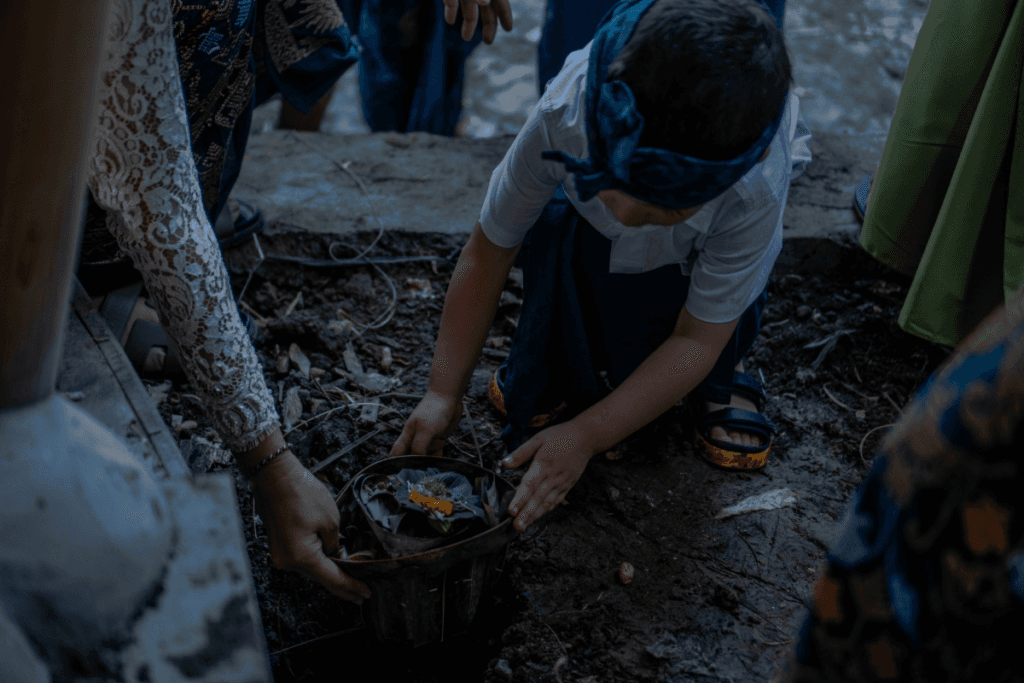
The concept is built on three interconnected principles: Parahyangan, Pawongan, and Palemahan. Together, these values help create balance in everyday life.
Parahyangan: Harmony Between Humans and God
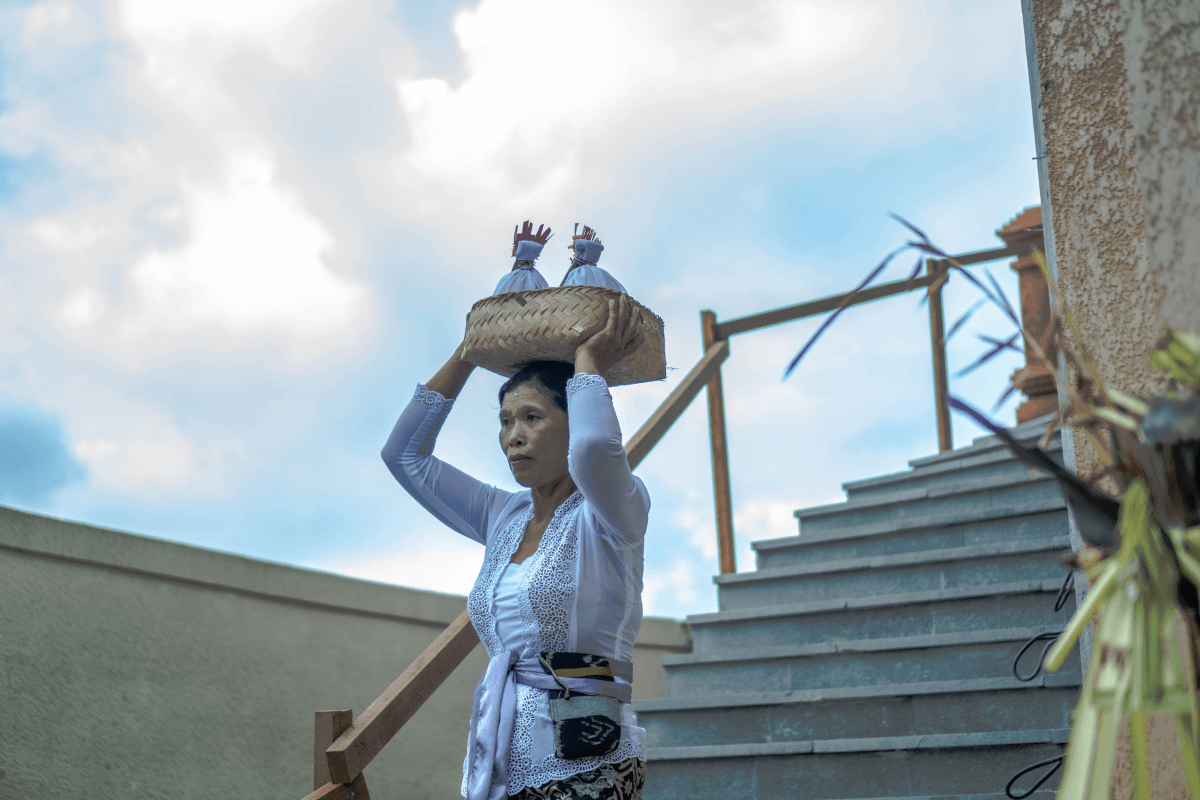
Parahyangan focuses on the relationship between humans and the divine. Because Tri Hita Karana is closely related to Hinduism, this principle encourages people to maintain a spiritual connection through prayer, gratitude, and religious ceremonies.
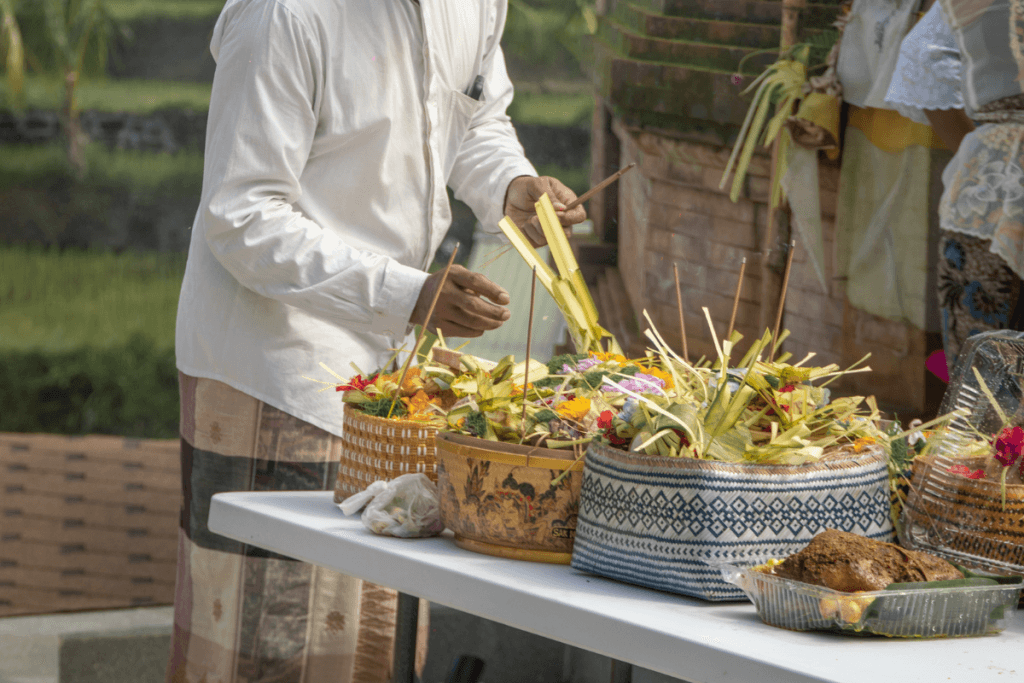
You can see this in daily offerings, temple rituals, and traditional ceremonies that remain an important part of life on the island.
Pawongan: Harmony Among People
Pawongan emphasizes the importance of building respectful and harmonious relationships with others. This principle encourages cooperation, mutual support, and social responsibility within communities.
These values continue to shape Balinese culture and tradition, especially through practices such as gotong royong and participation in local banjar organizations.
Palemahan: Harmony with Nature
Palemahan highlights the responsibility of caring for the environment. It teaches that humans should live alongside nature in a respectful and sustainable way.
This principle can be seen throughout the Bali culture, from traditional village layouts to the preservation of forests, rivers, mountains, and the Subak irrigation system.
When these three relationships remain balanced, people can experience greater peace, harmony, and well-being in their daily lives.
How Tri Hita Karana Shapes Daily Life in Bali
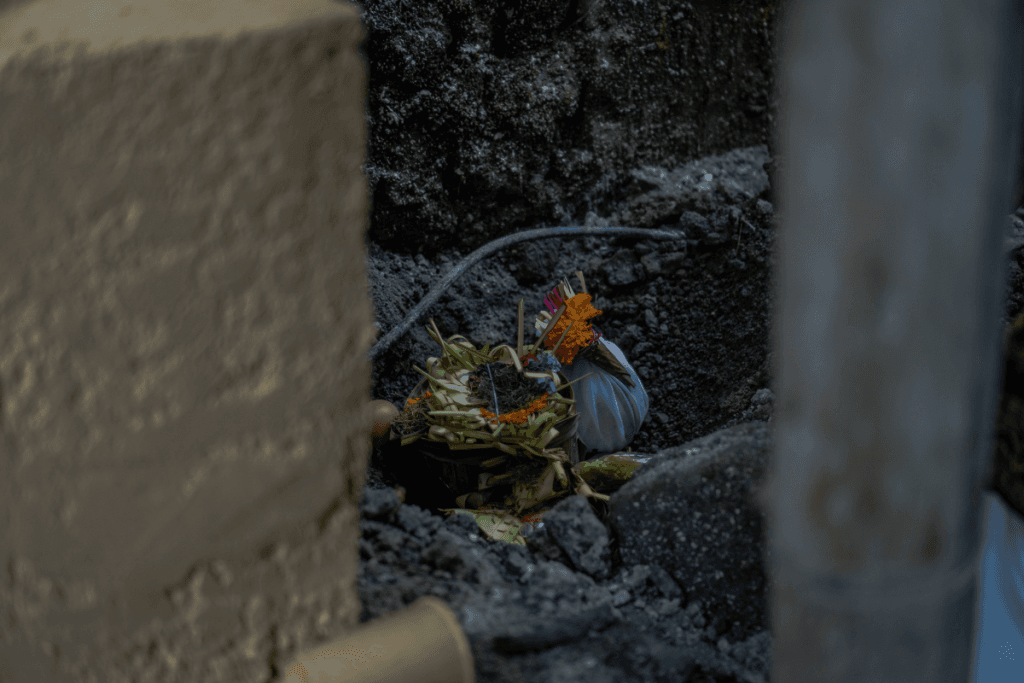
For Balinese people, Tri Hita Karana is a way of life that influences daily routines, social interactions, and even the design of homes and villages. This deep-rooted value system is one of the reasons visitors often feel a unique sense of balance and peace while exploring the island.
- Spiritual Practices in Everyday Life
One of the easiest ways to see the principle of harmony with God, nature, and community in Bali is through daily offerings. Every morning, many Balinese families place canang sari in their homes, gardens, and public spaces while offering a short prayer as a gesture of gratitude.
Spiritual traditions also guide important moments throughout the year. During Nyepi Day, Bali’s Day of Silence, the entire island pauses for reflection, prayer, and self-evaluation, demonstrating the strong connection between spirituality and daily life.
- The Strong Sense of Community
Community is at the heart of the Balinese way of life. Through local organizations known as banjar, residents work together to organize ceremonies, celebrations, and social activities.
When a family hosts a wedding, religious event, or funeral, neighbors voluntarily help with preparations. This spirit of cooperation ensures that responsibilities are shared and strengthens relationships within the community.
- Living in Harmony with Nature
The connection between people and the environment can be seen throughout the island. Traditional Balinese homes are carefully designed based on sacred spatial concepts that respect both natural and spiritual elements.
This respect for nature is also reflected in the preservation of rivers, rice terraces, and the many mountains in Bali that are considered sacred. These landscapes are not only beautiful natural features but also important parts of local beliefs and traditions.
- A Philosophy That Continues Today
The values of Tri Hita Karana remain relevant in modern Bali. They influence community life, environmental stewardship, and even approaches to Tri Hita Karana in tourism, where many businesses aim to create experiences that respect local culture and nature.
You can also see these principles reflected in Tri Hita Karana in hospitality, where resorts and tourism operators strive to balance guest experiences with cultural preservation and sustainable practices. This commitment helps many attractions maintain the unique character that makes Bali so special.
Tri Hita Karana in Balinese Hospitality and Tourism
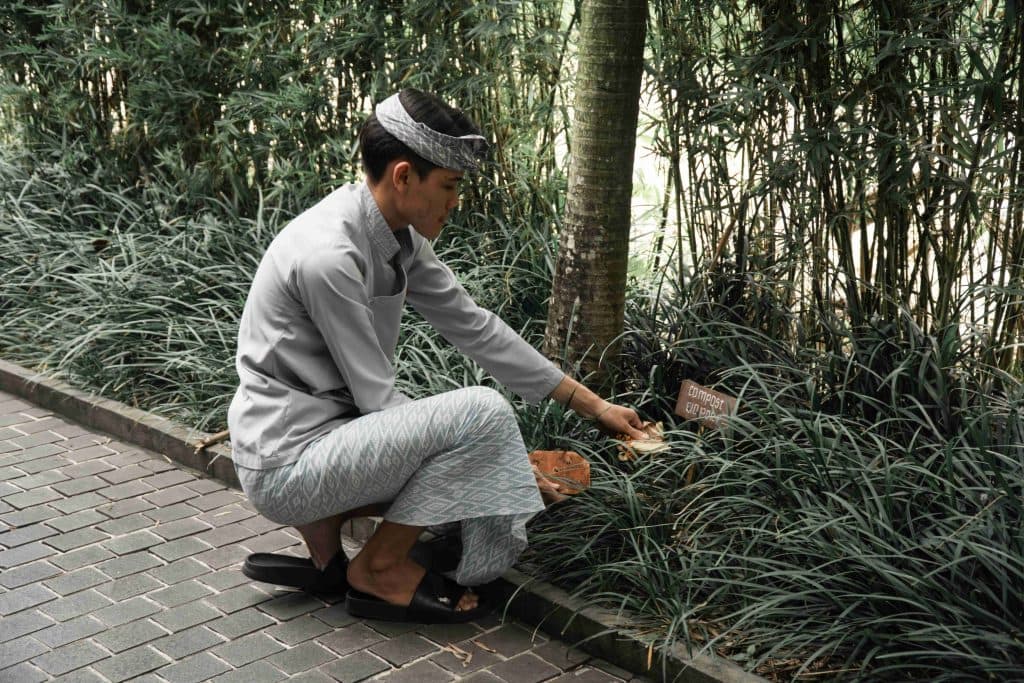
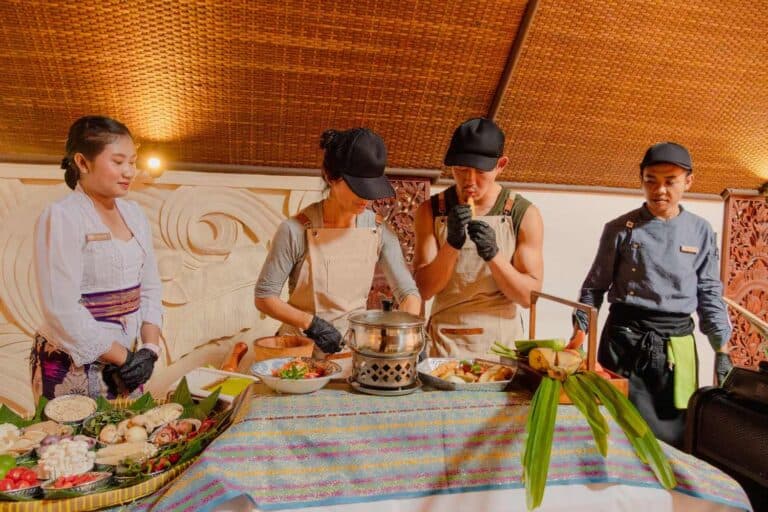
In Bali’s tourism industry, Tri Hita Karana is more than just a philosophy. It serves as a guiding framework for how tourism businesses operate while preserving local culture, supporting communities, and protecting the environment.
The concept is formally recognized through Bali Provincial Regulation No. 2 of 2012 on Cultural Tourism. The island also hosts the annual Tri Hita Karana Tourism Awards, which recognize hotels and tourism businesses that successfully balance cultural preservation, social responsibility, and environmental sustainability.
The principle is often represented through the Tri Hita Karana symbol, which reflects the connection between spirituality, human relationships, and nature. These principles can be seen in many hospitality businesses across the island.
1. Spiritual and Cultural Responsibility
Many hotels provide spaces that support local religious practices and cultural traditions. This can be seen at several properties managed by Ini Vie Hospitality, where spiritual practices remain part of daily operations.
Examples include:
- Dedicated temple areas within hotel grounds for daily prayers and ceremonies.
- Support for traditional rituals and religious celebrations throughout the year.
- Cultural activities that allow visitors to learn about local customs, meditation practices, and the principles that shape daily life in Bali.
2. Supporting Communities and People
The second principle focuses on creating positive benefits for local communities.
Many tourism businesses prioritize hiring residents from nearby villages and work closely with local suppliers, farmers, artisans, and performers. These partnerships help ensure that tourism growth contributes directly to community well-being.
Hotels also organize social programs, cultural initiatives, and community partnerships that strengthen relationships between businesses and local residents.
3. Protecting the Natural Environment
Environmental responsibility is a key part of modern eco tourism in Bali. Many resorts have adopted sustainable practices to reduce their environmental impact while maintaining high-quality guest experiences.
Common initiatives include:
- Designing buildings that follow the natural landscape rather than altering it significantly.
- Reducing single-use plastics and implementing waste-management programs.
- Using water conservation systems and environmentally friendly cleaning products.
- Preserving green spaces and encouraging biodiversity throughout the property.
Sustainable design can also be found at properties such as Kaamala Resort Ubud and Equipoise Resort, where the natural landscape plays an important role in the overall guest experience.
Conclusion
Tri Hita Karana is the living spirit of Bali that can be seen in daily offerings, community traditions, temple ceremonies, rice terraces, and the deep respect Balinese people have for nature and one another. This timeless principle continues to shape how the island preserves harmony between spirituality, society, and the environment in an increasingly modern world.
To truly understand Tri Hita Karana, it helps to experience it firsthand while exploring the island. Choose accommodations and travel experiences that embrace local culture, support surrounding communities, and respect the natural environment, allowing you to discover the authentic harmony that makes Bali so special.